When Should You Remove a Tree? 7 Warning Signs Homeowners Shouldn’t Ignore
Trees add shade, privacy, and curb appeal. Still, a damaged tree can turn into a safety risk faster than most homeowners expect.
In Washington County and nearby Portland-area communities, wet soil, winter storms, wind, and aging trees often speed up hidden damage. If a tree starts changing fast, removal may be safer than trimming.
The safest next step is a licensed, bonded, insured, arborist-led inspection, especially when the warning signs involve the trunk, roots, or large limbs.
Start with the biggest question, is the tree now unsafe to keep?
Cosmetic flaws are one thing. Structural danger is different.
A few small dead twigs don't always mean much. However, sudden changes in lean, trunk condition, or stability deserve quick attention. Also, don't climb ladders, pull on limbs, or inspect high branches yourself. A failing tree can break without warning.
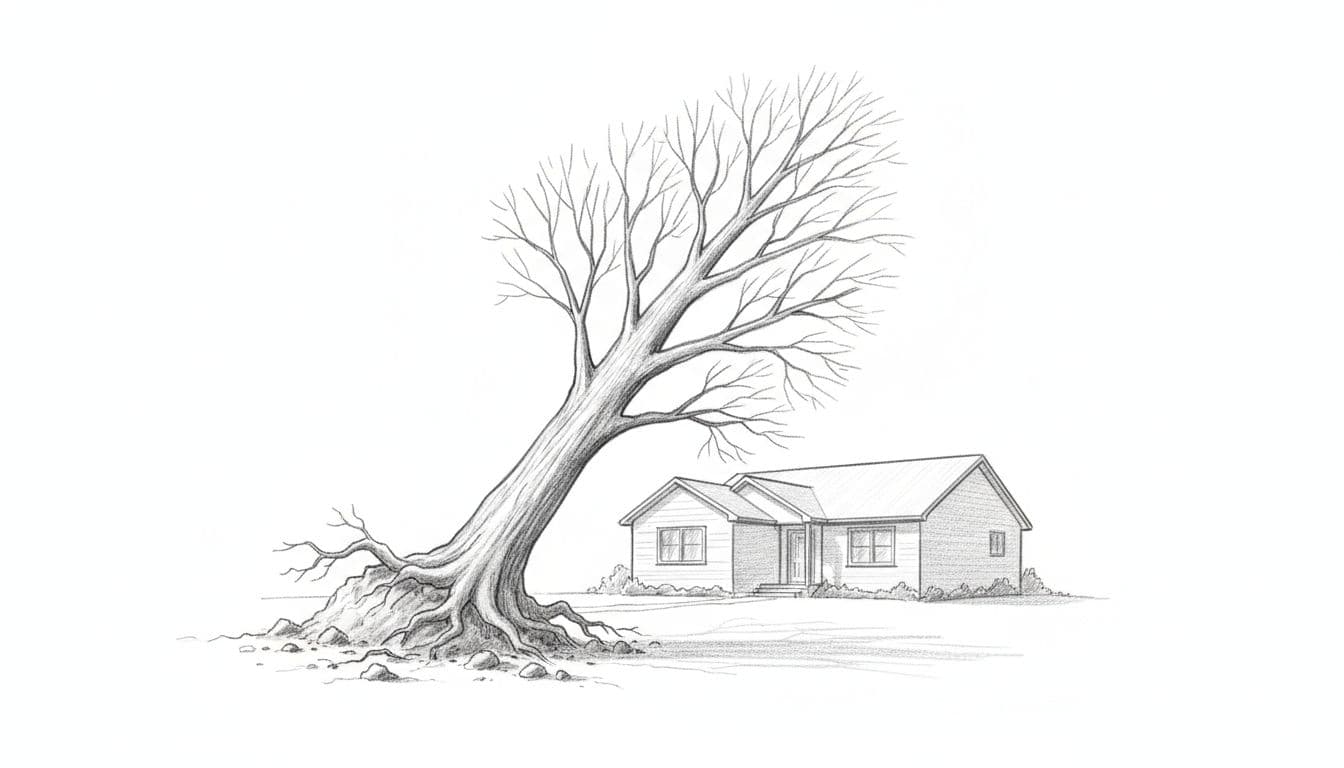
A new lean or shifting soil can mean the roots are failing
Some trees have always grown at a slight angle. That alone does not mean removal. The bigger concern is a tree that recently started leaning.
Watch the soil around the base. Lifted ground, fresh cracks, exposed roots, or a root plate that seems to move after heavy rain are bad signs. In Oregon's wet periods, soft ground can reduce root hold, especially after wind.
If that leaning tree is near a house, driveway, fence, sidewalk, or power line, don't wait. Fast action can prevent damage that costs far more than a tree assessment.
Deep cracks, trunk splits, or a hollow center point to major weakness
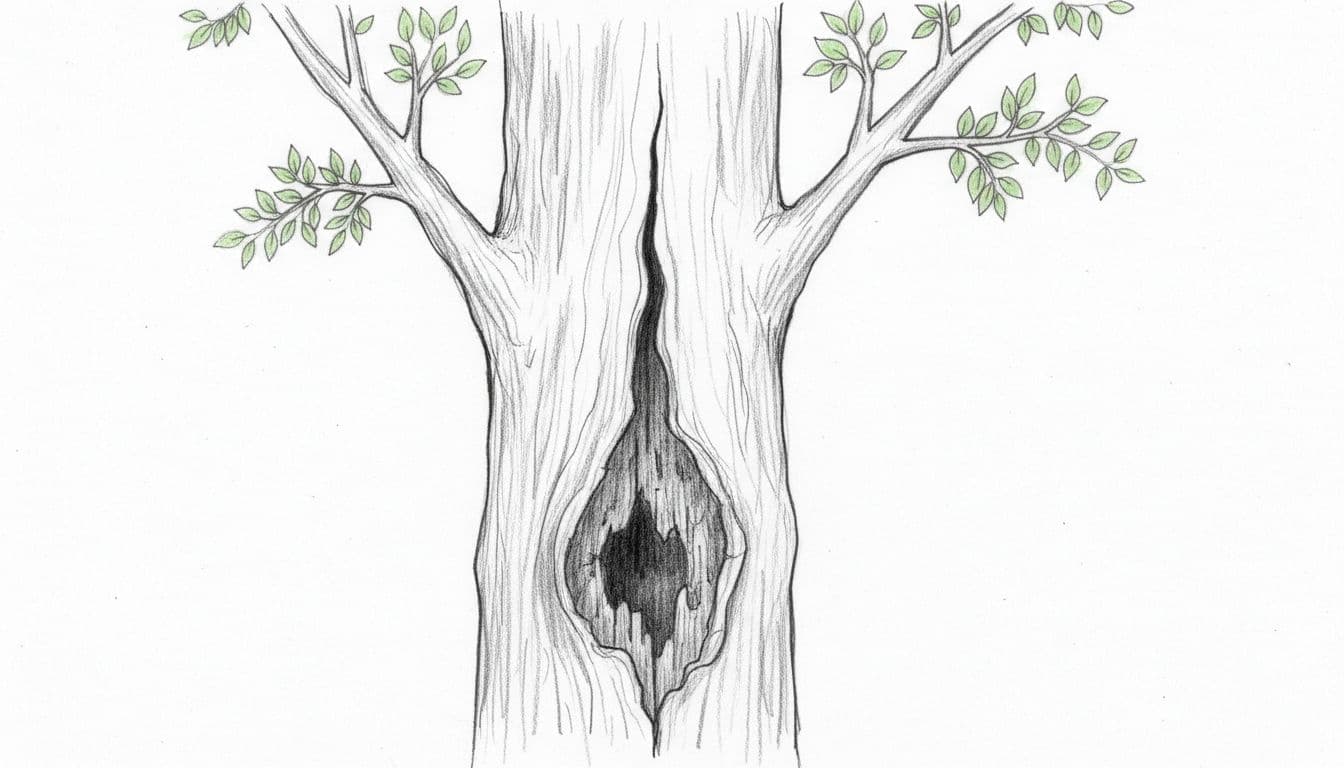
A trunk should carry weight evenly. When you see deep vertical cracks, a split trunk, or a large hollow, that support system may be failing.
This is what makes tree removal tricky for homeowners. A tree can still leaf out and look alive while the inside is decaying. Storms often expose the problem, but sometimes failure happens on a calm day.
A green canopy does not guarantee a safe tree.
If the trunk has opened up or sounds hollow in a large section, call for a professional opinion soon.
These canopy and bark problems often mean the tree is in serious decline
The top of the tree often tells the story. What matters most is the pattern.
One dead limb may call for pruning. On the other hand, repeated dieback across the canopy often points to deeper stress, rot, or root trouble.
Large dead branches and heavy limb drop are a real hazard
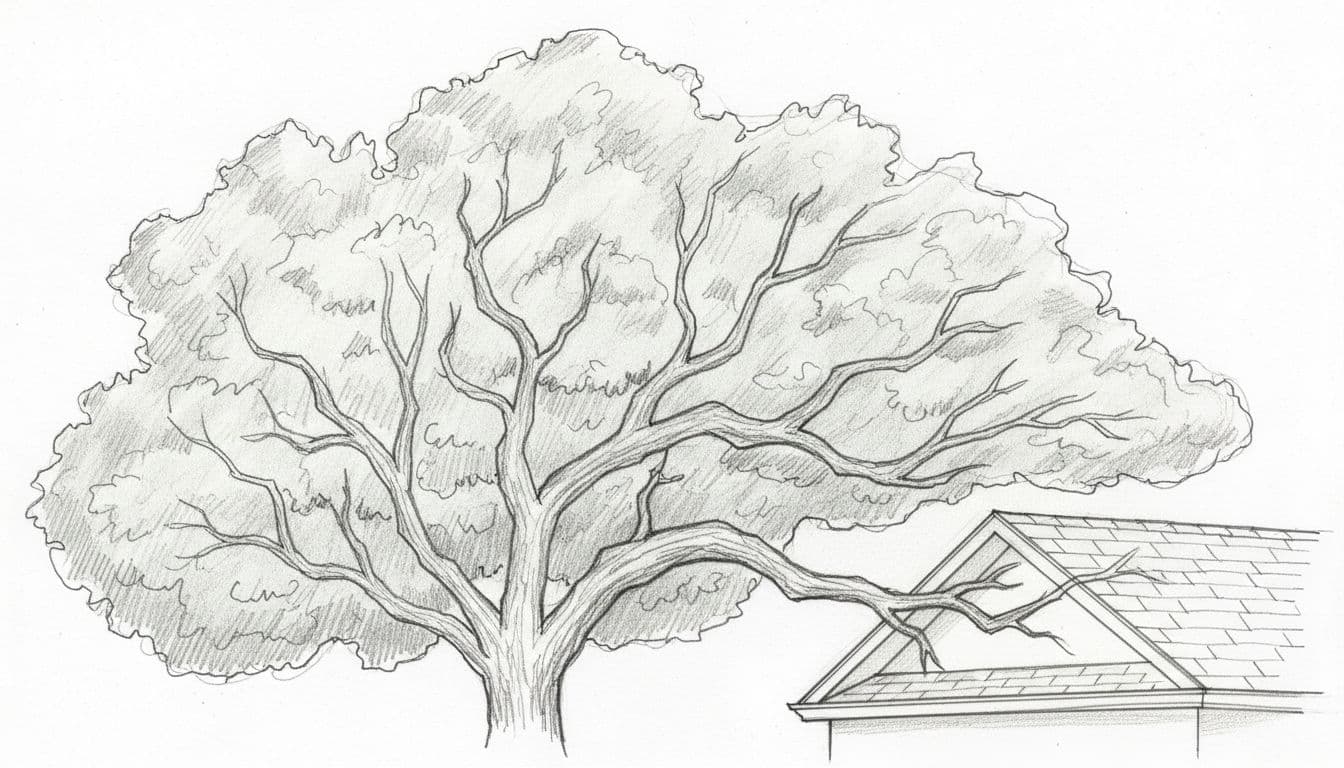
Deadwood is more than an eyesore. Large dead limbs can fall on roofs, cars, sheds, patios, and play areas.
Look for bare sections that do not leaf out, brittle branches, or repeated limb drop after normal wind. If the same tree keeps shedding heavy wood each season, it's telling you something.
Pruning may solve the problem when the tree is otherwise strong. Yet widespread dieback across major scaffold limbs often means removal is the safer choice.
Peeling bark, missing bark, and mushrooms at the base often signal decay
Trees don't shed large bark sections for no reason. When bark falls off in patches, the wood underneath may already be soft or dead.
Now add mushrooms near the trunk flare or roots, and the concern grows. Fungal growth often means the tree is breaking down inside. You may also notice sawdust-like debris, insect activity, or damp, punky wood.
Bark loss alone needs attention. Bark loss plus fungus often points to decay that affects strength, not only appearance.
Root and location issues can make even a living tree the wrong tree to keep
Some trees are alive but still unsafe. Others are healthy enough on top, yet their roots are causing damage below.
This is common around older homes, tight side yards, and yards with drainage trouble.
Damaged, exposed, or invasive roots can threaten stability and property
Roots anchor the tree and feed it. When they get cut during construction, exposed by erosion, or softened by standing water, stability drops.
You may also see roots lifting walkways, crowding fences, pushing toward foundations, or interfering with drains and hardscape. In wet Oregon soils, those problems can get worse over time.
A green canopy can hide major root failure. If the root zone is damaged and the tree is close to structures, removal may protect both safety and property.
Disease, pests, or repeated storm damage can push a tree past saving
Some trees recover with proper care. Others keep losing ground each year.
Watch for thinning canopy, small leaves, dead sections that spread each season, or repeated branch breakage after storms. Pests and disease often weaken a tree slowly, then weather finishes the job.
When decline keeps spreading, treatment may cost more than it saves. An arborist-led assessment helps you decide whether removal or targeted care is the smarter investment.
What to do next if you notice one of these warning signs
Certain problems need immediate attention. Call right away if you notice:
- a sudden lean
- a split trunk
- hanging or cracked limbs
- root lift after rain or wind
- any risky tree near structures or utility lines
DIY tree removal is dangerous, and it can create liability issues if the tree hits a neighbor's property or service line. That's why many homeowners in Hillsboro, Beaverton, Aloha, Washington County, and nearby Portland communities call Chozen Gardens for arborist-led risk assessment and safe next steps.
When pruning may help, and when removal is the smarter call
Pruning can reduce risk when the problem is limited to a few branches and the trunk and roots are solid. That works best when the tree still has strong structure.
Removal is often the better call when the trunk is split, the tree is leaning, the roots are failing, or decay affects major support wood. In those cases, trimming may only delay a bigger failure.
How a professional tree assessment protects your home and your budget
A good assessment does more than look at leaves. It checks structure, root zone conditions, target areas, and the likely chance of failure.
That helps protect roofs, fences, concrete, drainage systems, landscaping, and outdoor living spaces. It also helps you avoid paying for repeated pruning on a tree that won't recover.
Chozen Gardens offers the kind of local, practical guidance homeowners need. If a tree on your property looks questionable, schedule an estimate before the next storm tests it for you.
A risky tree rarely improves by waiting. The earlier you catch the warning signs, the more control you keep over cost, timing, and safety.
If you have concerns about a tree in Hillsboro, Beaverton, Aloha, Washington County, or nearby Portland neighborhoods, contact Chozen Gardens for an arborist-led inspection or quote.