
Retaining Wall Problems That Can Lead to Major Property Damage
Retaining walls hold back soil and help your yard stay level, dry, and usable. When one starts to fail, the damage rarely stays in one spot. It can affect drainage, fences, patios, driveways, and even a home's foundation.
Small issues deserve attention early. A slight lean, a damp patch, or a few loose blocks can turn into a bigger repair after one hard rain. If you're in the Portland metro area and notice warning signs, Chozen Gardens can take a look before the problem spreads.
The warning signs that a retaining wall is starting to fail
Most walls show trouble before they give way. The key is spotting those changes early and treating them like structural warnings, not minor cosmetic flaws.
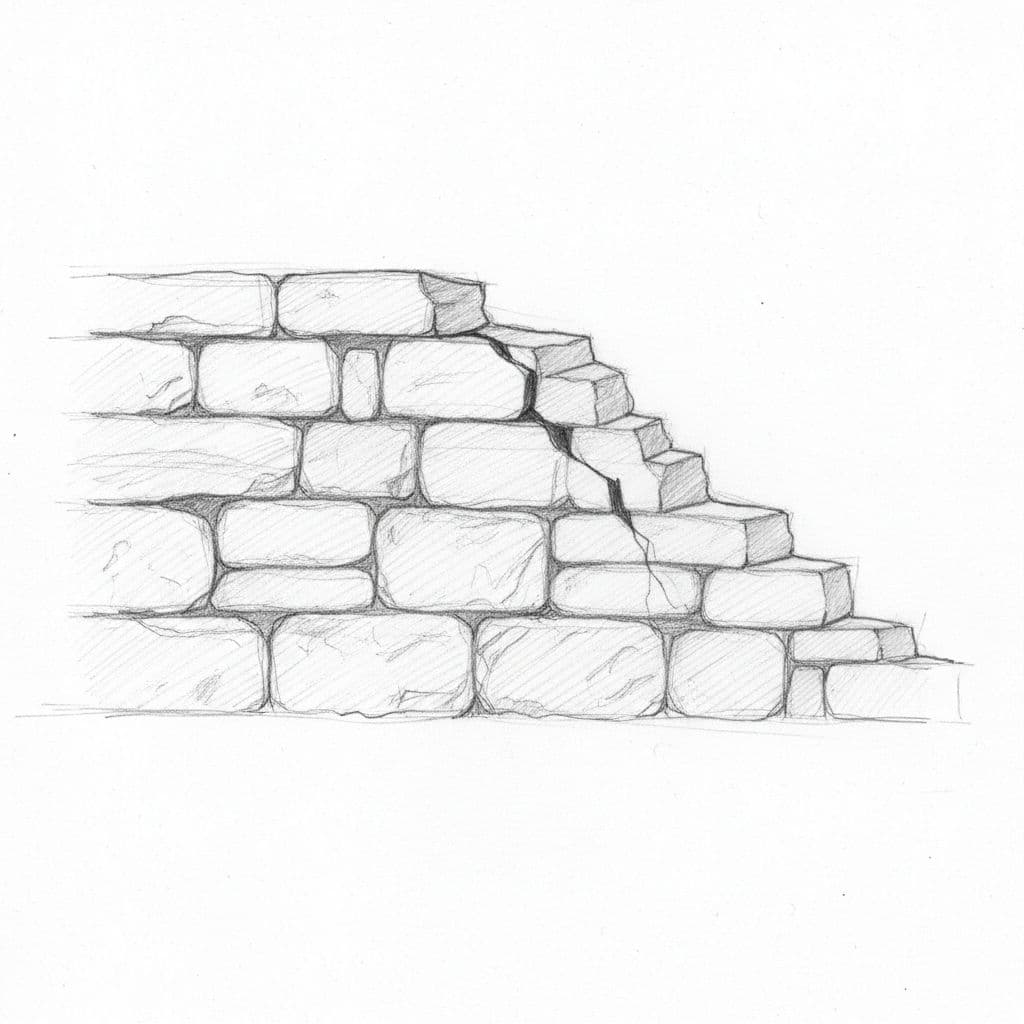
Cracks, gaps, and missing pieces are early red flags
A retaining wall should look solid and tight. When you see cracks, broken corners, missing chunks, or gaps between blocks, the wall is losing strength.
Small cracks often let water seep inside. Then the wall weakens a little more every time the soil gets wet and dries out again. Loose stones, shifting timbers, and crumbling concrete all point to the same issue: the wall isn't holding together the way it should.
Leaning, bulging, or bowing means pressure is building behind the wall
A straight wall should stay straight. If it starts to tilt forward, bow in the middle, or bulge outward, pressure is building behind it.
That pressure usually comes from wet soil, trapped water, or both. In other words, the wall is being pushed past what it can handle. A bowed wall may still be standing, but it can fail much faster than it looks. That's why leaning is never "just how it settled."
Water stains, wet spots, and sinking ground point to drainage trouble
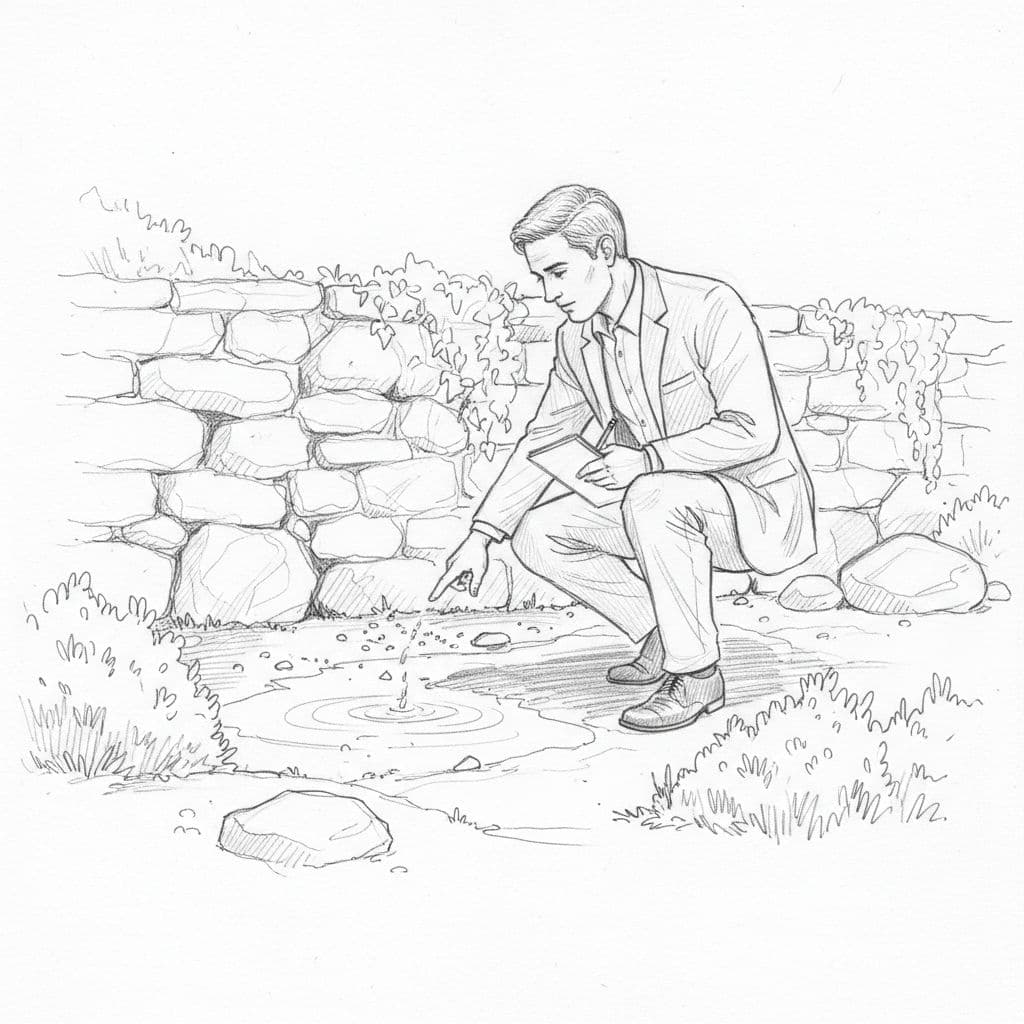
Water is often the real problem. White stains, dark wet areas, seepage, and puddles near the base usually mean moisture is trapped behind the wall.
Once that happens, the soil can wash out or turn soft. You may notice low spots, sinking ground, or small holes near the wall. Those signs matter because the wall needs firm soil to stay stable. When water moves the soil, the whole system starts to lose support.
How retaining wall damage can spread to the rest of your property
A failing wall doesn't only damage the wall itself. It can shift the ground around it, and that affects anything sitting on that ground.
Poor support can damage driveways, patios, sidewalks, and foundations
Soil is the base under your hard surfaces. When a retaining wall stops holding that soil in place, the ground can settle or slide.
That movement may crack a driveway, pull apart a patio, or create uneven sidewalks. If the wall sits close to your house, the risk gets more serious. Water and moving soil near the foundation can lead to settling, drainage trouble, and repairs that cost far more than the wall itself.
Erosion and flooding can ruin landscaping and nearby outdoor features
When a wall fails, soil often washes where it shouldn't. Garden beds can slump downhill. Mulch can move into walkways. Lawn areas may turn muddy or hollow after heavy rain.
Fences can lean when posts lose support. Raised beds, edging, and low-lying yard features can shift or wash out. On sloped properties, the damage can travel farther than most homeowners expect. What starts as one wall problem can become a wider yard and drainage problem in a short time.
Why retaining walls fail in the first place
Age can play a role, but old age alone isn't usually the main reason. Most failures come back to water, soil pressure, poor design, or weak construction.
Drainage problems are one of the biggest reasons walls break down
Trapped water adds weight and pressure behind the wall. That's the most common cause of retaining wall failure.
If the wall has no drain pipe, poor backfill, clogged outlets, or bad runoff control, water builds up fast. Then the wall starts to lean, crack, or push outward. In the Portland metro area, wet months can make drainage flaws show up sooner, especially on sloped yards.
Bad construction, heavy soil load, and erosion can shorten a wall's life
Some walls fail because they were never built right. A weak base, shallow footing, cheap materials, or poor grading can leave the wall underbuilt from day one.
Too much weight above the wall also matters. A slope with saturated soil, a nearby driveway, or added structures can create more pressure than the wall was made to hold. Erosion makes things worse because it removes the support the wall depends on. That's why two walls of the same age can perform very differently.
When to call a professional before the damage gets worse
Some wall problems can wait a few days for a quote. Others need attention right away, especially if the wall is near your house or another hard surface.
Do not wait if the wall is moving, leaking, or breaking apart
Call for help soon if you notice any of these signs:
- Large cracks or sections pulling apart
- Strong leaning or visible bowing
- Water pooling at the base
- Soil sinking, washing out, or turning soft
- Loose blocks, stones, or timbers
These problems tend to speed up, not stay the same. One storm can turn a repair into a rebuild.
A local inspection can help prevent a bigger repair bill
A good inspection looks beyond the face of the wall. It checks drainage, soil conditions, slope pressure, and the damage already spreading into the yard.
Chozen Gardens works with Portland-area homeowners on drainage and property improvement issues that often connect to retaining wall trouble. If your wall is affecting a fence, concrete, grading, or water flow, a local team can spot the cause and recommend the right fix. That's often the fastest way to stop a smaller problem from turning into major property damage.
Conclusion
Small retaining wall problems don't stay small for long. Cracks, leaning, wet spots, and sinking ground are all signs that the wall may be losing support and putting the rest of your property at risk.
If you live in the Portland metro area and see those warning signs, contact Chozen Gardens. They can inspect the wall, check drainage, and help you deal with the problem before it reaches your patio, driveway, fence, or foundation.