
The Benefits of Installing Raised Garden Beds for Home Vegetable Gardens
Done well, it helps trees live longer, grow with better structure, and lower hazards near homes, driveways, sidewalks, fences, and power lines. If you live in Hillsboro, Beaverton, or elsewhere in Washington County, Chozen Gardens can inspect your trees, catch problems early, and prune with a clear goal.
How professional pruning supports a stronger, healthier tree
Healthy trees don't need random trimming. They need careful cuts that remove stress and guide growth.
Removing dead, damaged, and diseased limbs helps the whole tree
A dead limb doesn't heal. It cracks, holds moisture, and invites decay-causing fungi and wood-boring insects. When an arborist removes that branch early, the tree stops wasting energy on tissue that can't recover.
That cut also protects the rest of the canopy. Disease can move through connected wood, and infected limbs can spread problems to nearby trees. Early removal keeps damage smaller, which is usually cheaper than waiting until the branch fails or the trunk starts to rot.
 ### Better airflow and sunlight make the canopy healthier
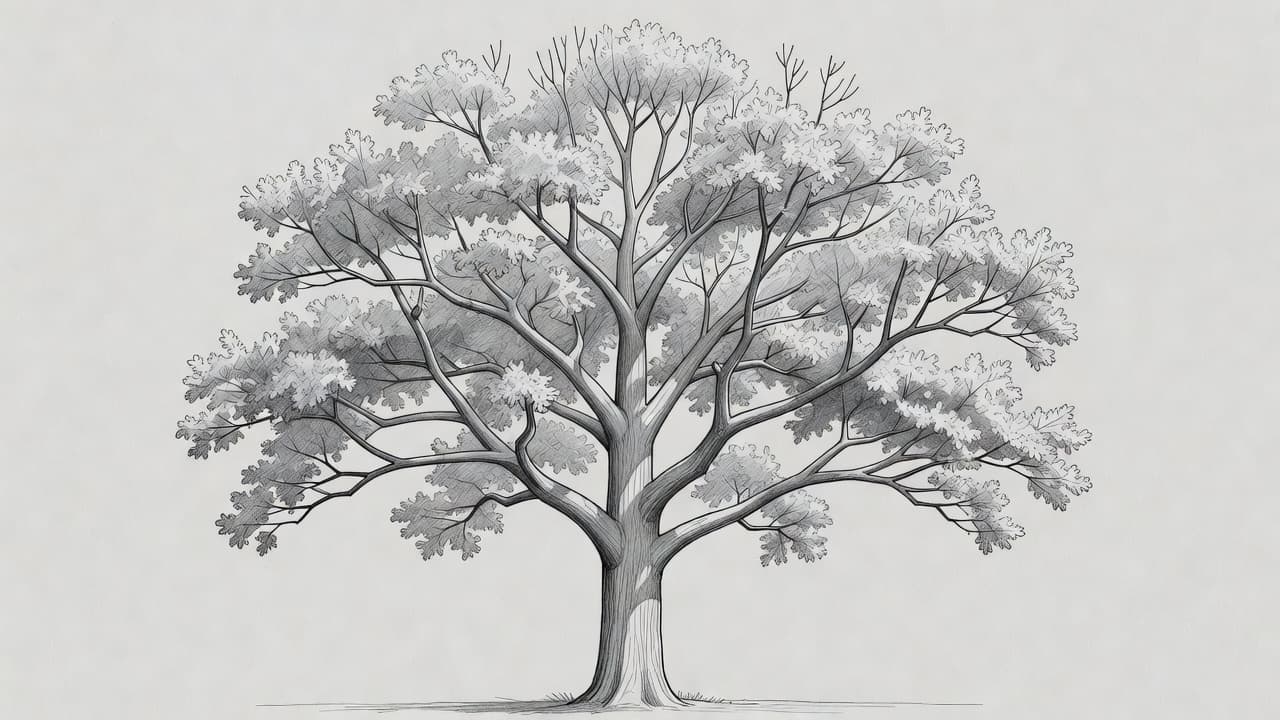
Crowded branches trap moisture after rain, which is bad news in Oregon. A dense canopy stays damp longer, and that raises disease pressure.
Professional thinning opens the canopy without stripping it bare. More light reaches the leaves, air moves more freely, and growth evens out across the tree. Over time, that cleaner canopy helps branches develop stronger unions instead of competing in a tangled mass.
Young-tree pruning builds a safer structure for the future
Young trees give you the best chance to prevent future trouble. Structural pruning shapes branch spacing early, removes narrow V-shaped unions, and reduces the odds of co-dominant stems that split later.
ISA Best Management Practices treat pruning as purposeful work, not random cutting. A few careful cuts every 1 to 2 years can save a mature tree from larger wounds, expensive corrective pruning, or limb failure near the house.
How tree pruning reduces safety risks around your property
Health matters, but most homeowners call when a tree feels risky.
Trimming hazardous limbs lowers the chance of falling debris
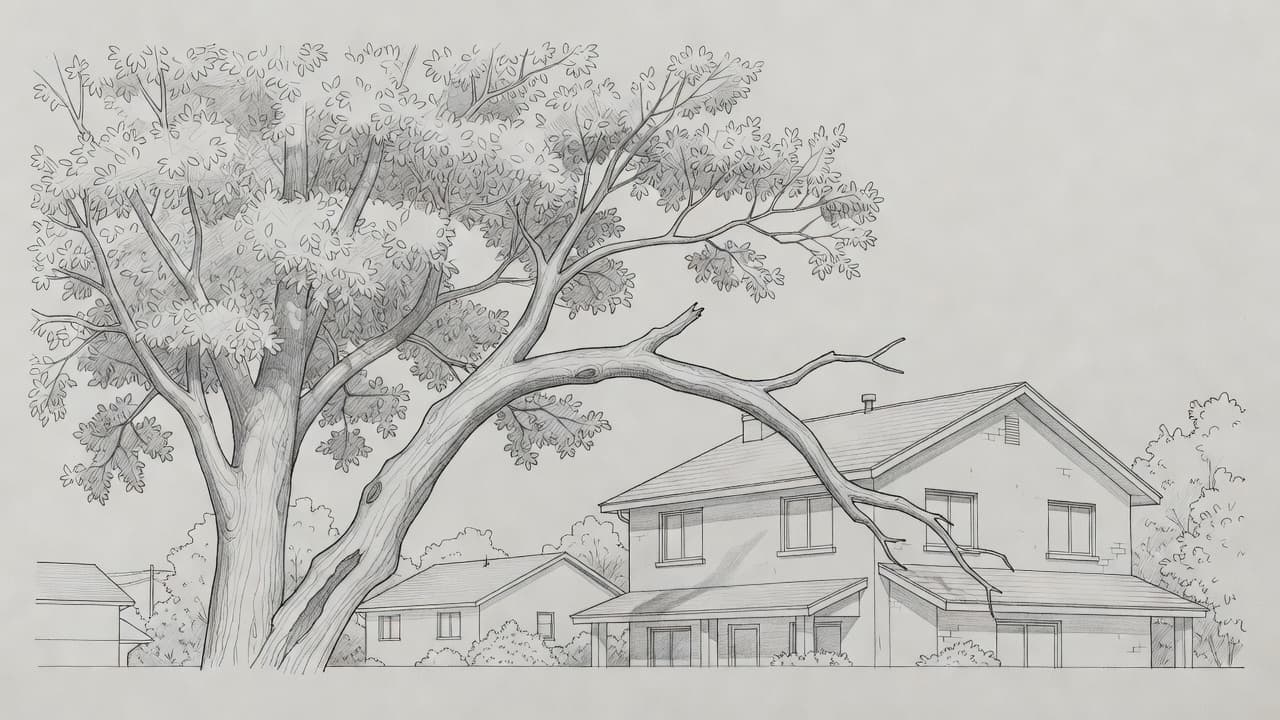
Dead, cracked, weak, or overextended branches can fail in wind, heavy rain, snow, or ice. When that happens, the limb doesn't care whether there's a roof, a car, a fence, or a person beneath it.
Professional pruning removes or reduces those hazards before weather tests them. It can also lower wind resistance in the canopy, which helps the whole tree handle storms better.
 ### Clearance pruning protects homes, roads, and utility lines
Trees need space. So do buildings and utilities. Clearance pruning keeps branches off roofs, siding, chimneys, garages, and fences. It also opens room around sidewalks, driveways, stop signs, and streetlights.
Power lines raise the stakes. Branch contact can lead to outages, fire risk, and blocked access after storms. If limbs are growing toward service drops or overhead lines, call a trained crew, not a ladder and pole saw.
Good pruning improves visibility and keeps foot and vehicle traffic moving
Low limbs over walkways and driveways create daily problems, not only storm hazards. They block sightlines, scrape vehicles, and force people to duck or step into the street.
A well-pruned tree gives pedestrians, delivery trucks, and emergency vehicles better clearance. On corner lots and narrow streets, that extra visibility can make the whole property safer.
What separates professional pruning from DIY cutting
This is where good intentions can go wrong.
Certified arborists prune with a clear purpose and the right cuts
ISA Best Management Practices say every pruning job should start with a purpose, such as health, structure, or clearance. ANSI A300 standards guide that work, from pruning type to cut placement. That keeps the work focused and protects the tree from random overcutting.
Good cuts also matter. Arborists cut outside the branch collar, avoid leaving stubs, and avoid topping, which often leads to decay, weak regrowth, and a rough-looking canopy.
The right timing and technique help trees recover faster
For many deciduous trees, the best pruning window is dormancy, usually late winter to early spring before buds swell. Dead, damaged, or diseased limbs are different; those should come off as soon as they're found.
Large branches need extra care. Pros often use the three-cut method so the limb's weight doesn't strip bark down the trunk.
Tree care work near heights and power lines should be handled by pros
Chainsaws, ladders, rigging, and overhead limbs create real risk fast. Work near service lines or tall canopies belongs to trained crews with the right tools, climbing knowledge, and insurance.
Chozen Gardens is licensed, bonded, and insured, and the team brings certified arborist and tree risk assessment experience to pruning jobs across the Hillsboro and Beaverton area. When a tree is close to the house or lines, that's the safer call.
Ready for safer, healthier trees
Good pruning does two jobs at once. It supports tree health and lowers the chance of broken limbs damaging your property. Small, well-placed cuts today often prevent decay, storm damage, and expensive cleanup later.
If a tree on your property looks crowded, overextended, or too close to your roof, call Chozen Gardens. Schedule an assessment or request a quote for expert tree pruning in Hillsboro, Beaverton, Aloha, and across Washington County.