Wood vs. Vinyl Fences: Which Is Right for Your Property?
When homeowners compare wood vs. vinyl fences , the same choice comes up fast: do you want the lower upfront cost and classic look of wood, or the easier upkeep and longer life of vinyl?
The right answer depends on your budget, your style, and how much maintenance you can live with. In Washington County and the Portland area, it also depends on rain. Wet weather in Hillsboro, Beaverton, Aloha, and nearby towns can shorten a fence's life if the material and installation are a poor match for the yard.
A smart fence choice starts with the basics, then shifts to your property's real conditions.
Start with the biggest differences: cost, lifespan, and upkeep
Wood usually wins on day-one price. Vinyl often wins over the long haul. That simple trade-off drives most fence decisions.
Why wood may save money upfront, but cost more over the years
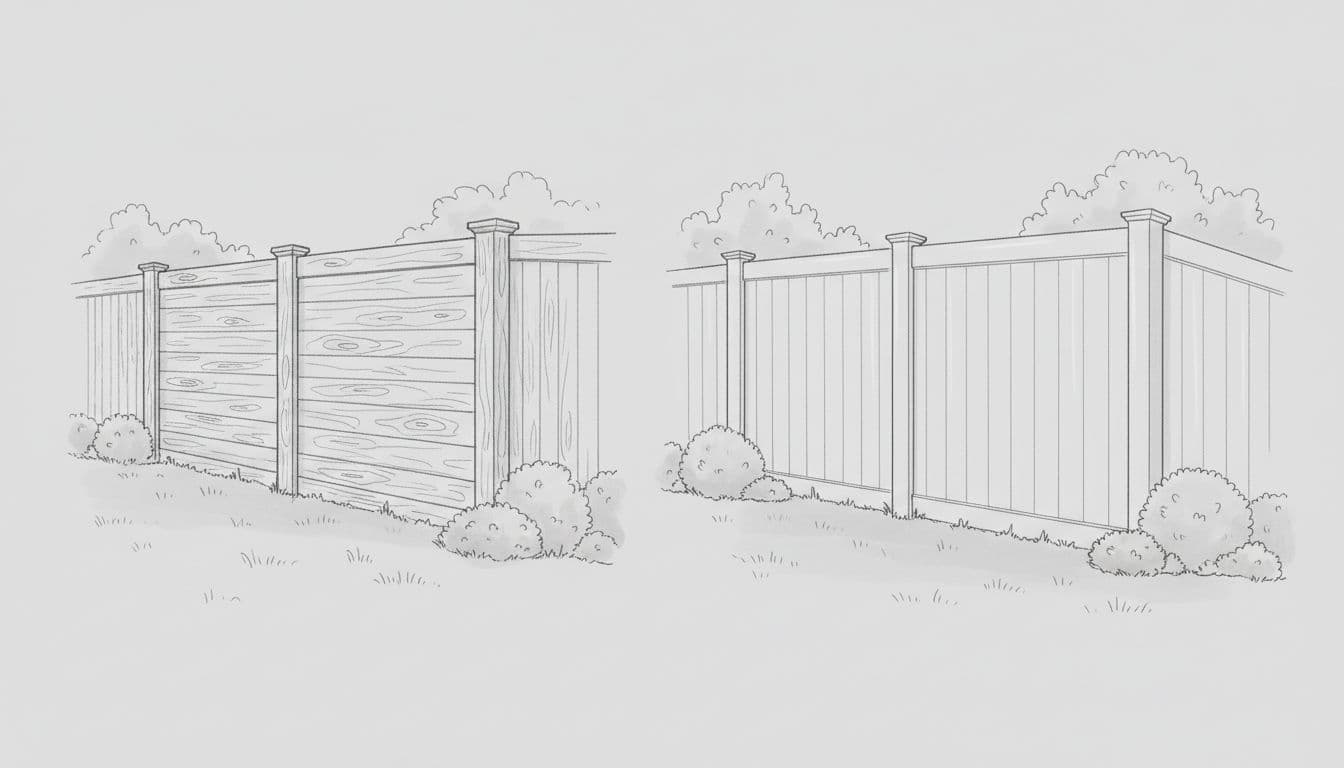
Wood has a warm, natural look that many homeowners still prefer. It also gives you more design freedom, especially for privacy fences, picket styles, and custom heights.
Still, wood asks more from you after installation. Boards can warp, crack, or loosen. Posts and rails can suffer when moisture sticks around. In Oregon, staining or sealing is not optional if you want the fence to last. Many wood fences need routine care every year or every few years, plus spot repairs when boards rot or twist.
That adds labor and material costs over time. A cheaper fence at the start can turn into a more expensive one later.
Why vinyl lasts longer with less work
Vinyl does not absorb water like wood. That matters in a rainy place.
Because vinyl resists rot, mold, and mildew better, it tends to hold up longer with less fuss. Most homeowners clean it with soap and water or a light wash. There is no staining, sealing, or painting on the yearly to-do list.
For busy households, that matters as much as price. If you want a fence that stays neat without taking over your weekends, vinyl is often the stronger long-term value.
How Oregon weather and your yard conditions can change the right choice
A fence brochure won't tell you what a soggy side yard in Beaverton can do to a post line. Your yard will.
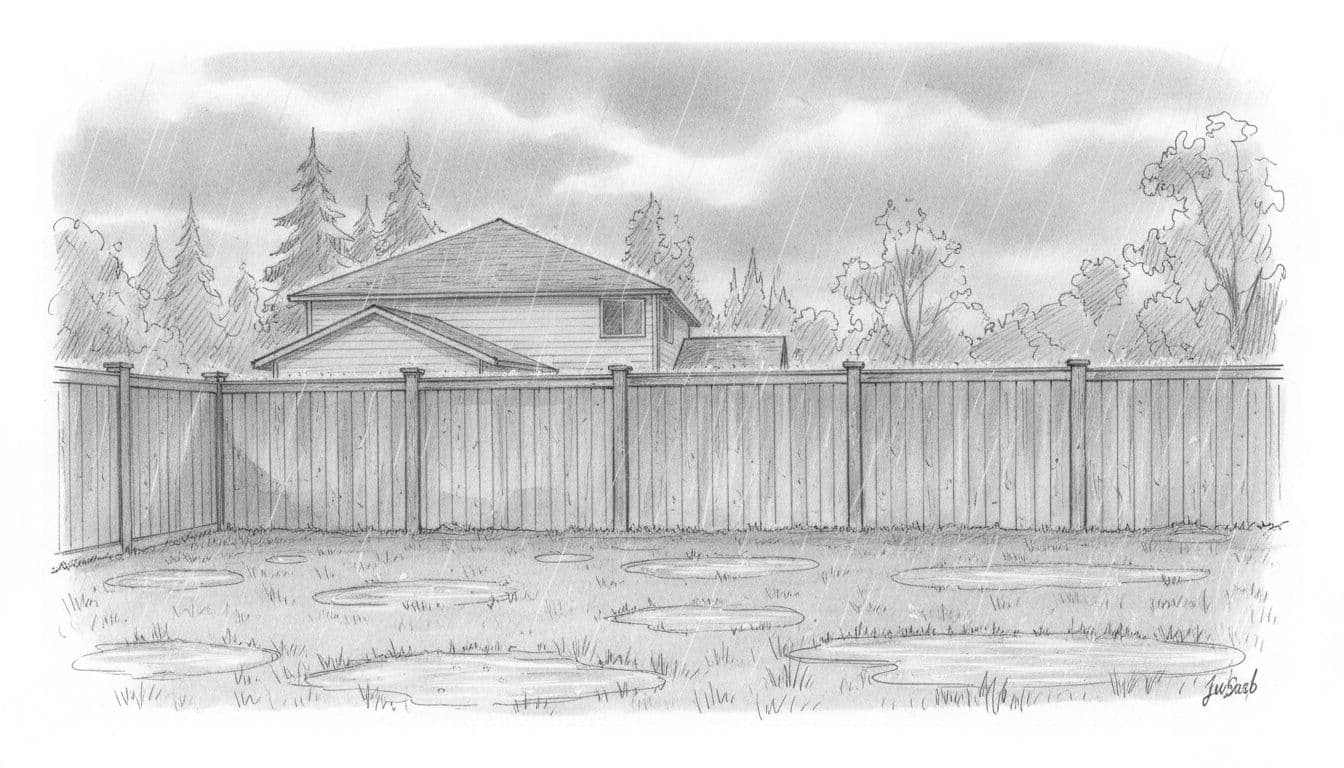
In the Pacific Northwest, moisture is part of the job. Frequent rain, damp soil, shade, and slow drainage all affect fence life. A fence on a sunny, well-drained lot in Aloha may age differently than one tucked into a wet corner in Hillsboro. Sun exposure matters too, because some yards stay damp for days while others dry out fast.
In Washington County, rain and drainage can matter as much as the fence material itself.
This is why local site review matters. Slope, puddling, irrigation spray, tree roots, and soil movement all shape how a fence performs. A good contractor should look at the yard, not only the material sample.
In rainy areas, vinyl often has the edge
Wet conditions are hard on neglected wood. If a wood fence is untreated, poorly sealed, or installed without enough care, moisture can speed up rot and mold. That risk goes up in low spots where water sits after storms.
Vinyl usually handles those same spots better because it does not rot. For many Portland-area homeowners, that makes vinyl the safer choice in wet yards or shady side lots. You still need solid posts and good installation, but the fence material itself is less vulnerable to rain.
Wood can still work well in rainy areas. It simply needs better upkeep and a more watchful owner.
When wood still makes sense for Pacific Northwest homes
Wood remains a strong option if you love a natural look or want a fence style that blends with an older home, garden, or wooded lot. It also helps when your budget is tight at the start.
In Oregon, though, installation and maintenance matter more. Cedar or treated wood, proper sealing, and smart post placement all help. Poor drainage should be fixed first, because even a good fence struggles in a bad site. That is one reason many homeowners call Chozen Gardens. A fence project often ties into drainage, grading, and nearby landscaping, and those pieces should work together.
Choose the fence that fits your home goals, not just the price tag
The best fence is the one that matches how you live. Curb appeal, privacy, upkeep, and resale all matter, but not in equal ways for every homeowner.
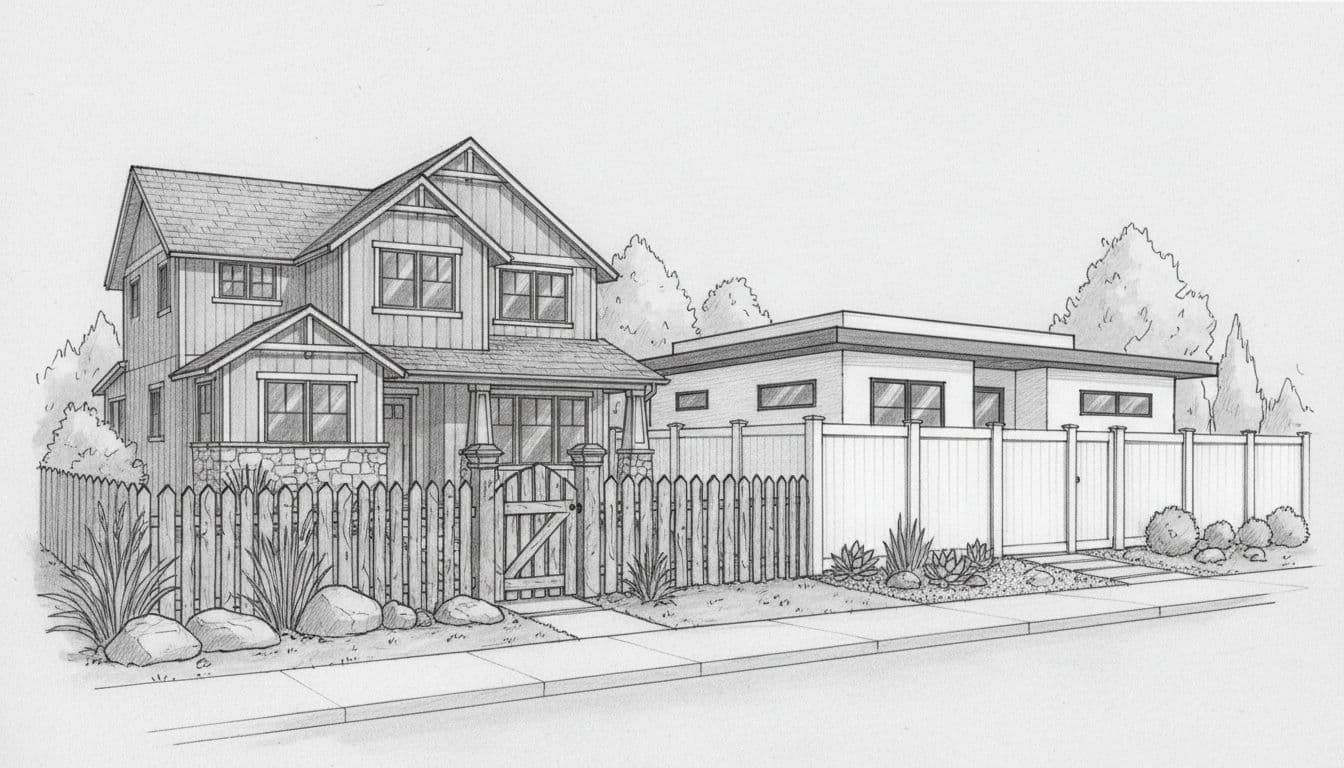
A worn fence hurts curb appeal no matter what it is made of. A fence that fits the house and stays in good shape usually adds more value than the cheapest option on the bid sheet.
Choose wood if you want a natural look and do not mind maintenance
Wood fits homes that need warmth and character. It works well for classic privacy fences, traditional pickets, and yards where a softer, more natural finish feels right.
It also makes sense if you want more custom design options or need a lower starting cost. Still, you have to budget for care. If you will keep up with sealing, staining, and small repairs, wood can look great for years.
Choose vinyl if you want a cleaner look and fewer weekend chores
Vinyl fits homeowners who want a fence that stays tidy with minimal effort. It pairs well with newer homes and clean-lined landscapes, and it performs well in wet Oregon weather.
It is often the better pick if you plan to stay in the home for a long time. The upfront price is higher, but the lower maintenance and longer lifespan often make ownership easier. If you don't want fence care on your seasonal checklist, vinyl is hard to ignore.
Wood gives you natural beauty and a lower first bill. Vinyl gives you easier ownership and a longer runway, especially in Oregon's wet climate.
The best choice comes from your yard, not a generic chart. If you are comparing options in Hillsboro, Beaverton, Aloha, or nearby Portland-area communities, Chozen Gardens can assess the site, spot drainage issues, and help you choose a fence that fits your property and goals.
If you want clear advice and a quote you can trust, call Chozen Gardens .