Does Installing a Fence Increase Property Value?
Yes, a fence can increase property value , but the return depends on the fence type, the neighborhood, and how well it's installed. Current 2026 national data suggests many homeowners recoup about 30 to 70 percent of fence costs, with the best results tied to privacy, safety, and curb appeal.
That matters in Washington County and the Portland area, where fenced yards often attract families, dog owners, and buyers who want more usable outdoor space. A fence may not transform an appraisal, but it can make your home easier to sell and more appealing when buyers compare listings.
When a fence adds real value to your home
A fence adds value when it solves a real problem and looks like it belongs with the house. In practice, that value often shows up in three ways: a modest bump in resale price, stronger buyer demand, and less time sitting on the market.
A good fence often pays back through buyer interest as much as appraised value.
Privacy, safety, and curb appeal are what buyers notice first
Most buyers react to a fence before they calculate its cost. They see a private backyard, a safer place for kids, and a secure area for pets. As a result, the home feels more complete.
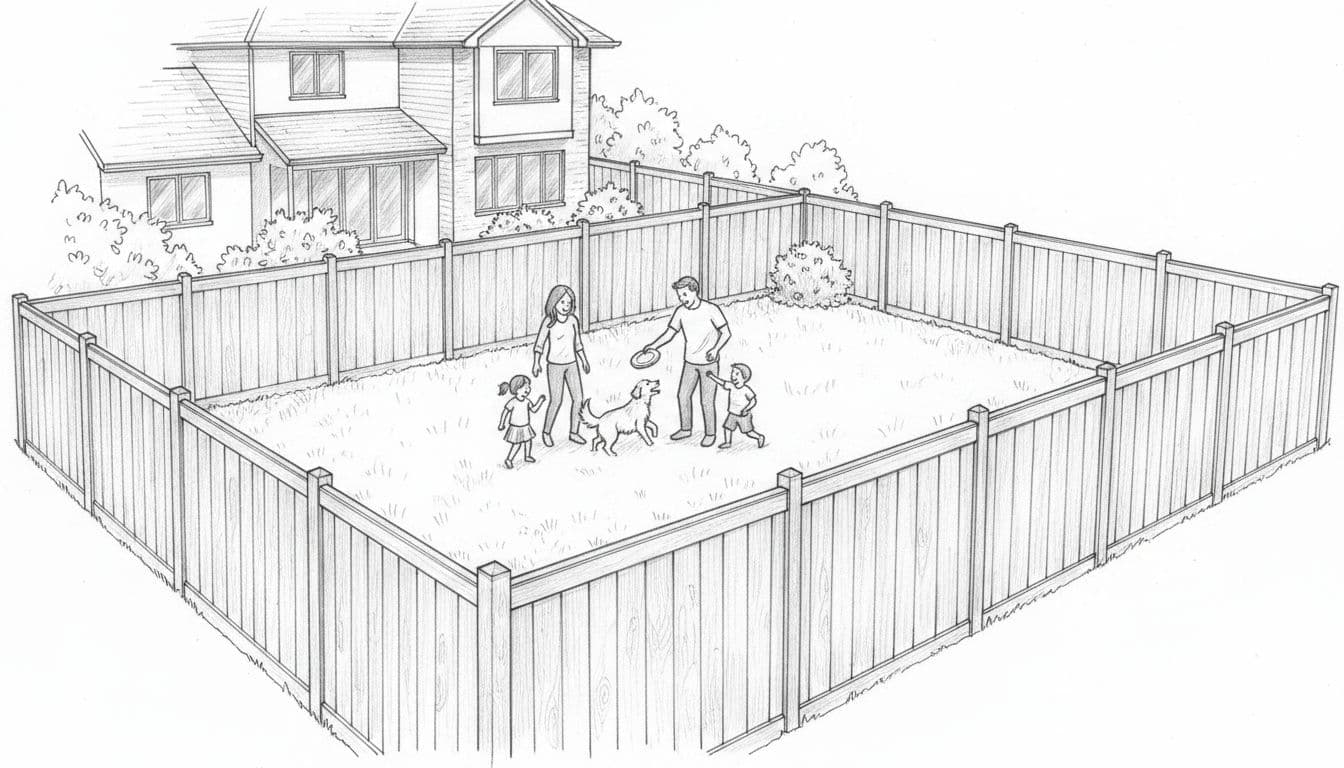
Those benefits matter even more on smaller lots or homes with close neighbors. In many Portland-area neighborhoods, privacy is not a luxury. It's part of daily comfort.
Online search behavior matters too. Buyers often look for fenced yards in listing filters or notes, especially when they have children or pets. That can raise click-through interest, even if the appraisal change is modest. In other words, the fence may help bring more serious buyers to the door.
Neighborhood fit matters more than most homeowners think
A fence works best when it matches nearby homes, lot sizes, and the style of the property. If most homes on your street have clean backyard privacy fences, adding one can feel natural and expected.
In Washington County and nearby Portland communities, a well-built wood privacy fence often fits local expectations better than something that looks industrial or out of place. A fence that clashes with the block can hurt first impressions. Buyers notice that quickly.
Local rules matter too. Height limits, setbacks, and HOA rules can affect both function and resale appeal. If the fence creates future headaches, buyers may treat it as a drawback instead of an upgrade.
What kind of fence helps property value the most
Fence type has a big effect on return. Materials, style, maintenance, and placement all shape how buyers see the property.
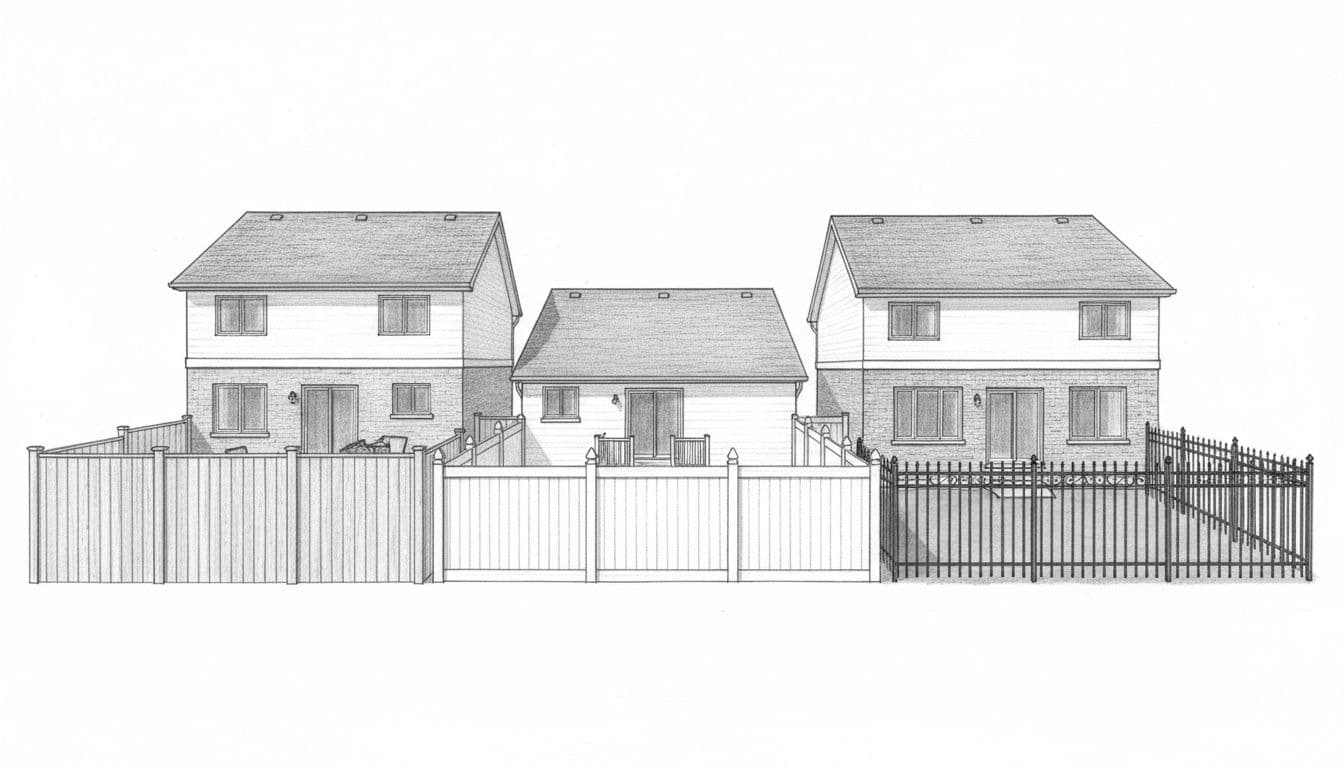
This quick comparison gives the big picture:
| Fence type | Likely effect on value | Typical cost recoup |
|---|---|---|
| Wood privacy | Strong in many neighborhoods | 50% to 70% |
| Vinyl privacy | Strong, especially for low upkeep | 50% to 65% |
| Ornamental metal | Good on higher-end homes | 40% to 60% |
| Chain-link | Often neutral to weak | 20% to 45% |
Wood, vinyl, and ornamental metal usually bring the best return
Wood privacy fences remain a common favorite because they look warm and natural. They also fit many homes in Hillsboro, Beaverton, Aloha, and nearby areas. When the design is clean and the boards are in good shape, wood often adds the right mix of privacy and curb appeal.
Vinyl can perform almost as well, and sometimes better for buyers who want less upkeep. It doesn't need staining, and it handles wet weather well when installed correctly. That matters in the Pacific Northwest.
Ornamental aluminum or wrought iron can also help value, but usually on homes where that look already fits. On a higher-end property, it can frame the yard nicely without closing it off.
A cheap or poorly planned fence can work against you
A fence can lower appeal when it looks temporary, worn out, or badly placed. Chain-link in the front yard is the most common example. It may be practical, but many buyers see it as harsh or unfinished.
Poor drainage planning is another problem. In our wet climate, water can pool around posts, stain boards, and shorten the fence's life. Bad layout, awkward gate placement, wrong height, and visible repairs also hurt the look.
Permits and HOA approval matter too. If a buyer learns the fence may need changes after closing, the upgrade loses its shine fast. In the rainy Pacific Northwest, maintenance shows quickly, so peeling stain, leaning panels, and soft posts are hard to hide.
How to decide if installing a fence is worth it for your property
The smartest way to judge fence ROI is simple: ask whether the fence solves a real issue on your lot and fits your long-term plans. If it does both, the project often makes sense even before resale enters the picture.
Ask whether the fence solves a real problem on your lot
Some yards need privacy from nearby windows. Others need pet containment, pool safety, clearer property lines, or a better buffer from the street. A fence can also make the backyard more useful, which helps daily life and buyer appeal.
For many properties, the best plan goes beyond the fence alone. Drainage, grading, trees, roots, and planting beds all affect how well the project holds up. Chozen Gardens brings an edge here because the company looks at the whole outdoor space, not only the fence line. That helps avoid common problems that show up a year later.
Get more value from a professional install and a smart design
The lowest bid can be the most expensive choice. Strong posts, straight lines, good gate placement, and materials that fit local weather help protect resale value.
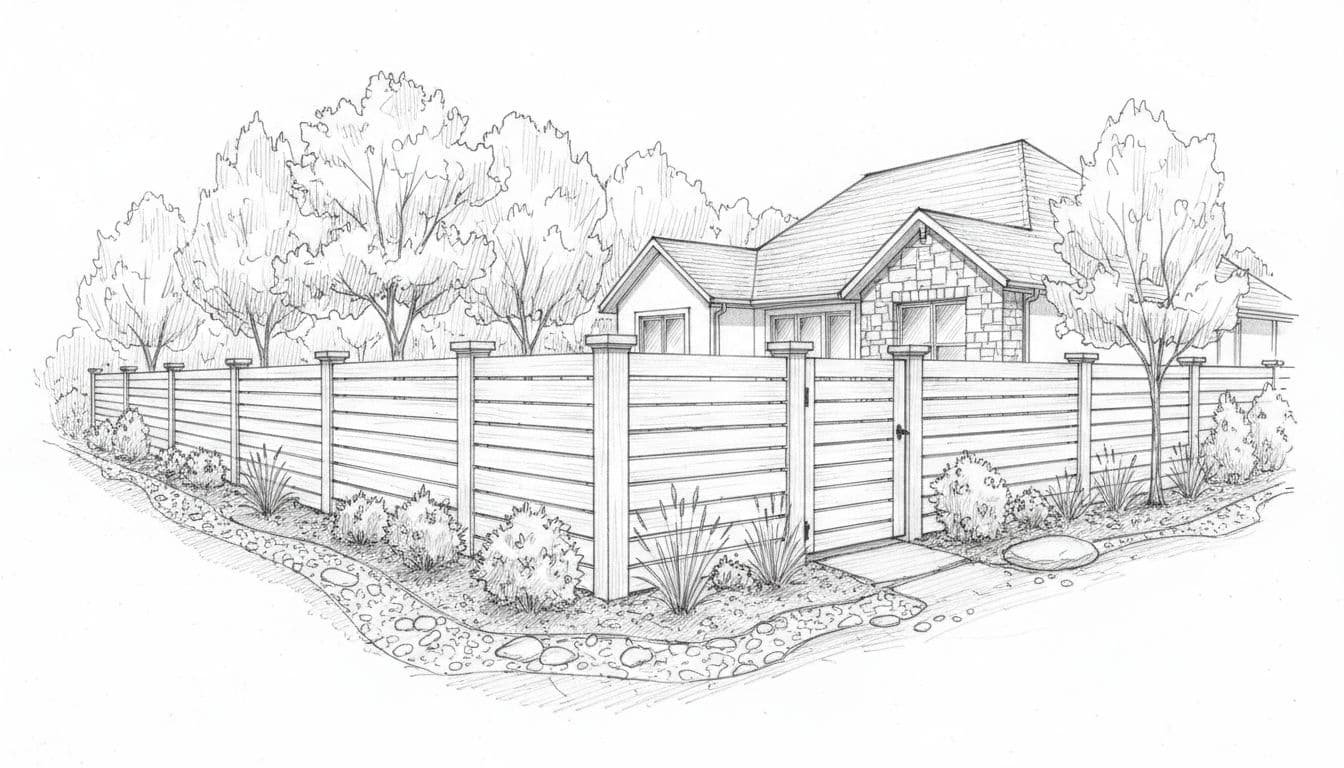
A smart design also works with the landscaping. Clean transitions near trees, proper spacing from roots, and drainage-aware placement can keep the yard looking better for longer. That is one reason many homeowners in Hillsboro, Beaverton, Aloha, and nearby areas call Chozen Gardens. The team is licensed, bonded, and insured, and they can build a fence plan that fits the yard, local conditions, and your property goals.
A fence can add value, but only when it matches the house, serves a purpose, and is built well. Around Washington County and nearby Portland communities, privacy and family-friendly yards often make fencing more attractive to buyers.
If you want a fence that looks good, works well, and supports resale value, contact Chozen Gardens for advice or a quote. A well-planned fence is easier to enjoy now, and easier to sell later.