
5 Signs Your Yard Has a Drainage Problem (and How to Fix It)
Steady rain is part of life in the Pacific Northwest. After a wet stretch in Hillsboro, Beaverton, or Aloha, soggy grass and puddles that won't leave can turn a good-looking yard into a problem.
Poor yard drainage is common around Washington County homes because of clay soil, compacted ground, flat lots, and months of seasonal rain. Even when rainfall is near normal, weak drainage still shows up after repeated showers. Catch it early, and you can protect your lawn, trees, fence, and foundation before the repair bill grows.
5 Signs Your Yard Has a Drainage Problem
One warning sign might be minor. Two or more usually mean your yard isn't moving water the way it should.
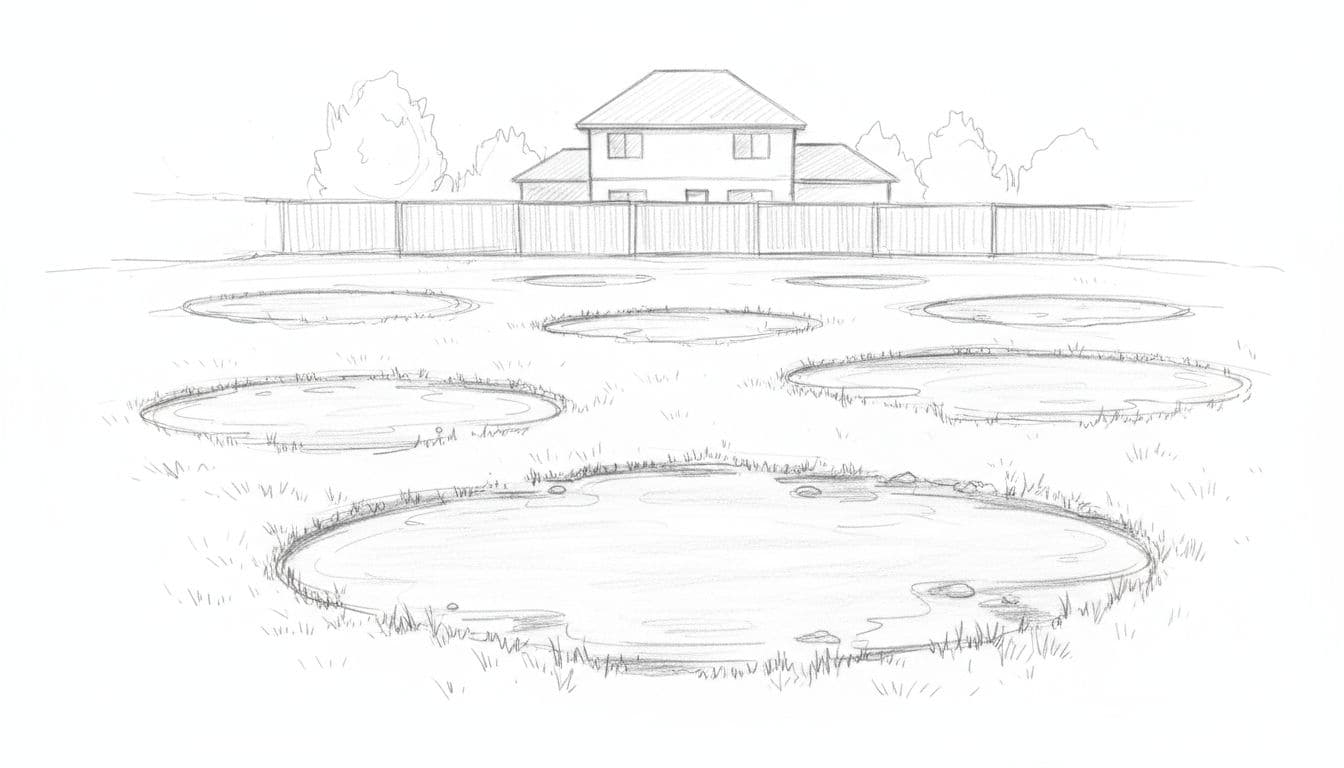
Puddles stay in place more than a day after rain
If water still sits on your lawn 24 hours after rain stops, pay attention. That is one of the clearest signs of poor drainage.
In many Oregon yards, the cause is simple. Low spots collect runoff, clay-heavy soil drains slowly, and compacted ground blocks water from soaking in. Over time, those wet areas can attract mosquitoes. Grass roots can also start to rot when they stay soaked too often.
Your lawn feels spongy, muddy, or uneven underfoot
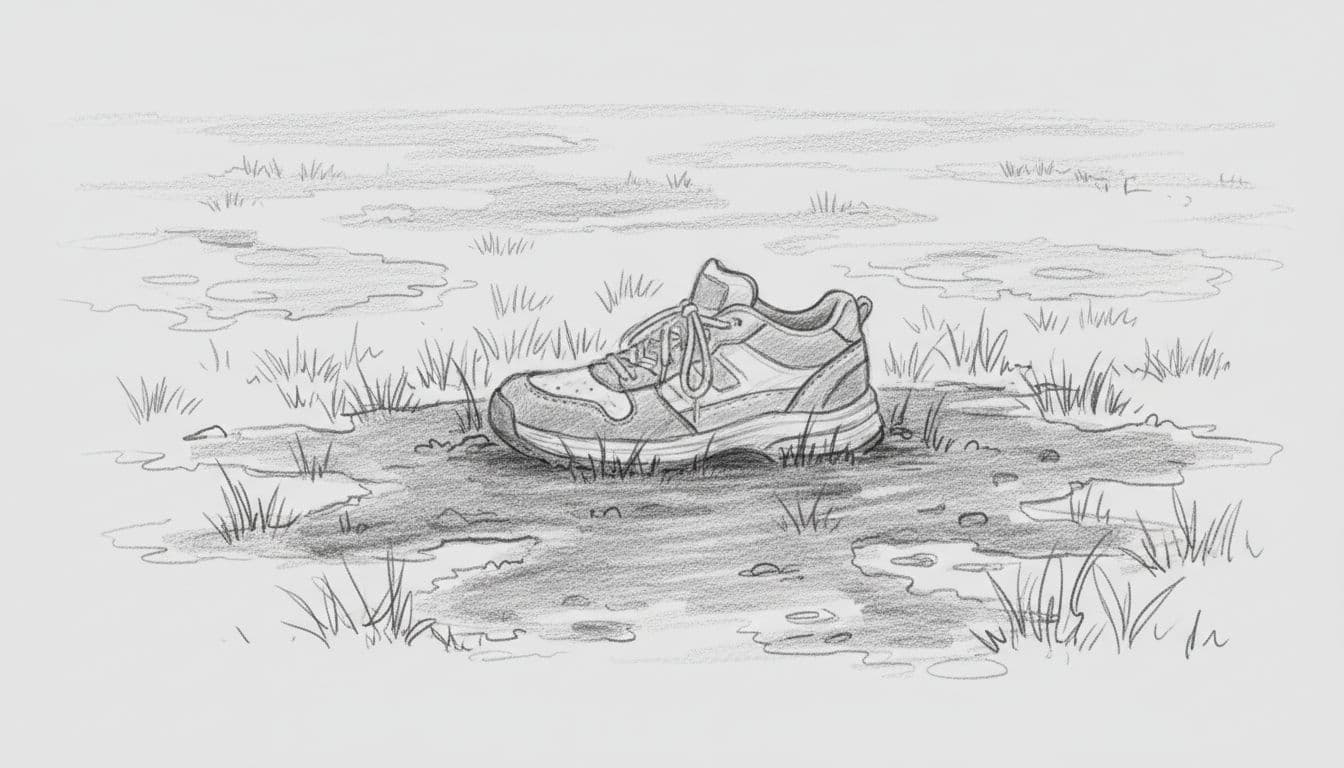
Healthy soil should feel moist, not mushy. If your shoes sink in, leave muddy prints, or hit soft spots that never seem to dry, the ground is holding too much water.
That constant saturation pushes air out of the soil. As a result, turf roots weaken and grass struggles to hold on. High foot traffic makes it worse because people, pets, and mowers press the soil tighter, which slows drainage even more.
Grass, plants, or small trees look sick even though the yard is wet
This one confuses a lot of homeowners. The yard looks soaked, yet the plants still look thirsty.
When soil stays saturated, roots can't get enough oxygen. You may see yellowing grass, bare patches, wilted plants in wet beds, or shrubs that slowly lose vigor. Tree roots can suffer too, especially in yards that stay soggy for long periods. That's one reason Chozen Gardens' arborist-led experience matters. Drainage trouble doesn't only hurt turf, it can stress valuable trees over time.
Soil is washing away, and roots or hard surfaces are starting to show
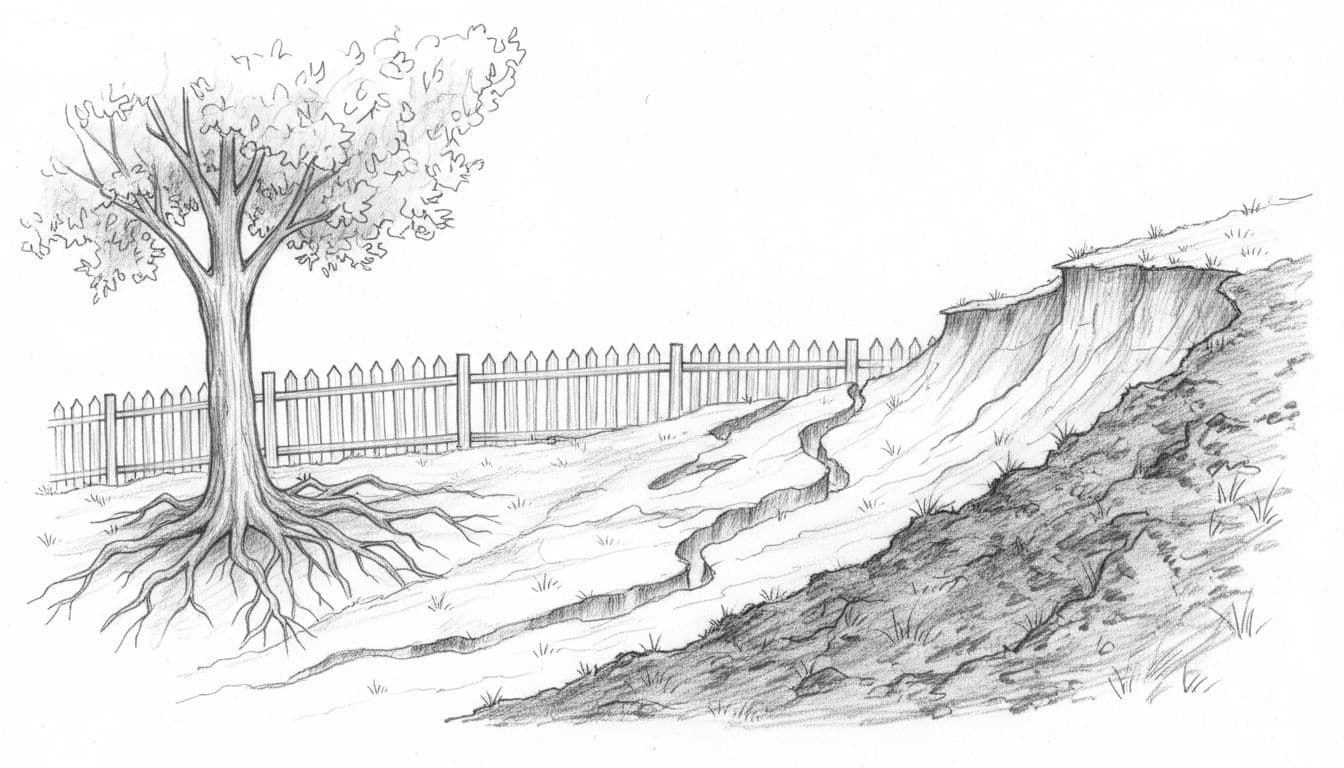
Erosion means rainwater is moving across the yard too fast instead of soaking in. You might notice small ruts in the soil, mulch washed downhill, exposed roots, or gravel that keeps sliding out of place.
Muddy runoff near patios, walkways, or fences is another clue. Once erosion starts, the yard gets harder to maintain. Beds lose shape, roots lose cover, and surfaces nearby can get messy or unstable.
Water is collecting near your home, fence, or other structures
This is the sign to treat as urgent. Pooling near the foundation can lead to bigger trouble fast.
Watch for water next to the house, damp crawlspace or basement smells, water stains, mossy fence lines, or downspouts dumping too close to the home. Moisture around posts, patios, and slabs can also shorten their life. A drainage issue in the yard can turn into property damage before long.
If water is pooling next to the house, don't wait and hope it dries out. Moisture near the foundation can get expensive fast.
How to Fix Yard Drainage Problems Before They Get Worse
Some drainage problems have a simple fix. Others need a full plan, especially when grade, soil, trees, and hardscape all work against each other.
Start with easy fixes that improve water flow
Begin with the basics. Clean out gutters and downspouts so roof water can move freely. Then extend downspouts 5 to 10 feet away from the house if they dump water near the foundation.
Next, look at the soil. Aeration can help compacted lawn areas open up. Adding compost can improve clay soil over time, which helps water move instead of sitting on top. If you have a low spot, fill it the right way with compacted soil and finish with topsoil, not a loose mound that settles into a dip again after the next rain.
Check your grade too. As a rule of thumb, the soil should slope away from the home about 1 inch for every 4 feet. Mulch and water-tolerant plants can help manage moisture, but they won't solve major drainage trouble by themselves.
Call a pro when the problem keeps coming back
Repeated pooling usually means the layout of the yard needs more than a quick patch. The same goes for erosion, water near the foundation, grass that keeps failing, or drainage trouble around patios, fences, and trees.
Professional fixes may include regrading, French drains, catch basins, channel drains, or dry wells. The right answer depends on where the water starts, where it collects, and how the property slopes. That matters a lot in Washington County, where clay soil and flat areas can make guesswork expensive.
Chozen Gardens is a local, licensed, bonded, and insured team that looks at the whole property, not one soggy spot. If trees are part of the problem area, their arborist-led background helps protect roots while the drainage plan gets sorted out.
Why Quick Drainage Repairs Can Save Your Landscape and Your Budget
Waiting usually makes yard drainage problems harder to fix. A wet patch can turn into lawn loss, plant stress, mosquito breeding, and slippery mud around walkways.
Then the damage spreads. Fence posts stay damp, concrete edges shift, mulch washes away, and foundation moisture becomes a bigger risk. In Oregon, a small issue can grow through one wet season faster than many homeowners expect.
The best repair depends on the cause, not the symptom. A puddle might need regrading, a drain, a downspout change, or a mix of all three. That is why a proper site check saves money in the long run.
Those five warning signs are easy to spot once you know what to watch for. Early action usually means a smaller repair, a healthier yard, and less risk to your home.
If you're seeing standing water, erosion, soft ground, or water near the house, Chozen Gardens can help. Homeowners in Hillsboro, Beaverton, Aloha, Washington County, and nearby Portland-area communities can contact Chozen Gardens for a quote or drainage inspection before the next wet stretch makes the problem worse.