Arborist Reports: What They Are, When You Need One, and What They Include
A large tree can complicate plans fast. You may be preparing for a remodel, removing a damaged limb, or responding to a tree that suddenly leans toward your home.
Arborist reports give you more than a quick opinion. They document tree condition, support permit applications, and help you make safer choices before work begins. For Washington County and greater Portland homeowners, Chozen Gardens can assess the site and explain the next practical step.
Arborist Reports: What They Are and Why You May Need One
An arborist report is a written assessment prepared after a qualified tree professional inspects one or more trees. It records what the arborist observed and connects those findings to a clear purpose.
That purpose shapes the report. You may need documentation for a removal permit, construction plan, hazard concern, insurance claim, home sale, HOA dispute, or legal matter. A simple inspection can tell you whether a tree looks unhealthy. Formal arborist reports provide a durable record with measurements, photographs, site details, and written recommendations.
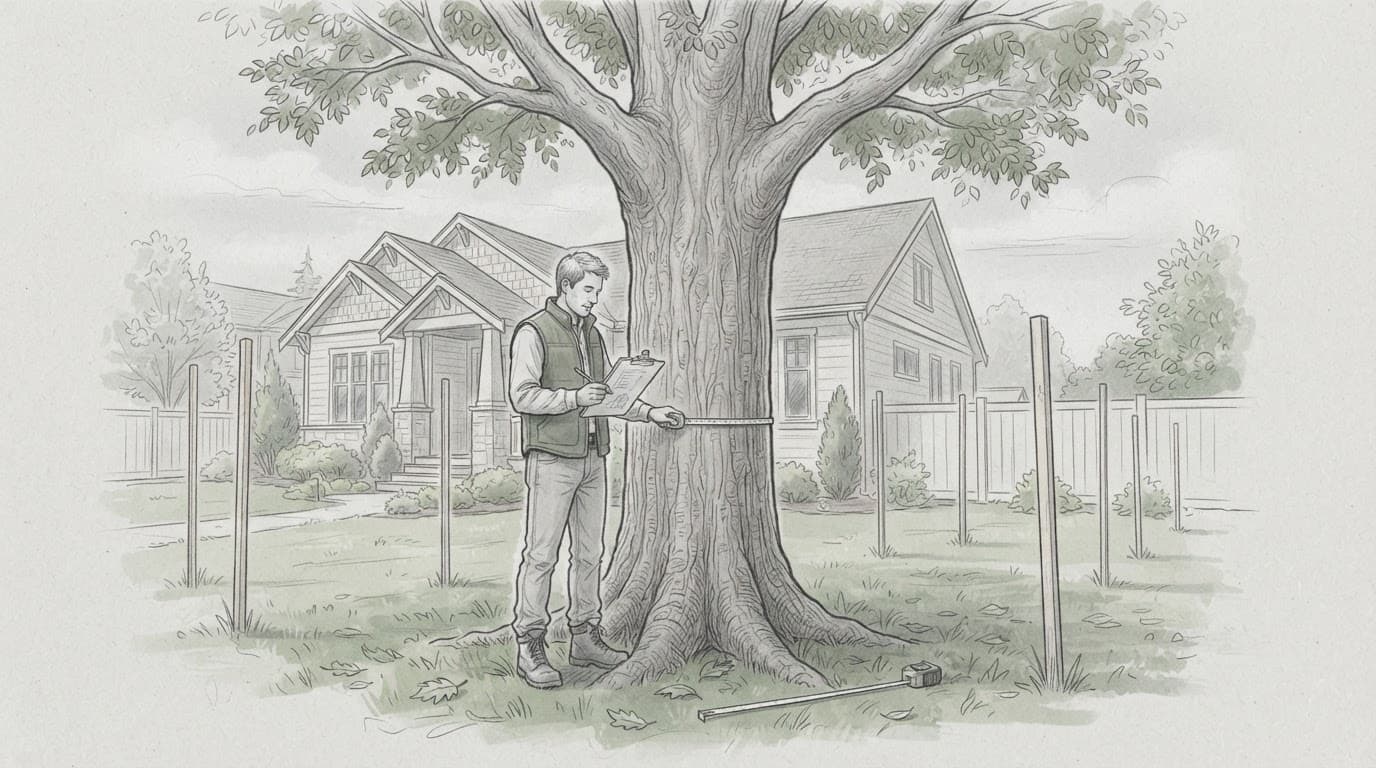
For example, an arborist may identify decay near the base, measure trunk diameter, map the tree's location, and explain whether pruning or removal makes sense. Portland commonly accepts reports prepared by an ISA Certified Arborist or an ASCA Registered Consulting Arborist when a project requires professional tree documentation.
When Do You Need an Arborist Report in Oregon and the Portland Area?
Rules differ by city, county, tree type, and project. Before planning work, contact your local planning department or urban forestry office to confirm what applies to your property.
Portland offers a useful local example. On private property, removal permits generally apply to trees that measure 12 inches or more in diameter at breast height, or DBH. Street tree removal requires a permit in nearly every case. The narrow exception covers sucker shoots or self-sown trees under one-half inch in diameter.
An arborist report may also help with suspected hazards, insurance documentation, property transactions, and disagreements about a tree's condition. If a tree creates a clear and present danger, Portland allows emergency work before a permit in limited cases. However, the property owner must apply for a retroactive permit within seven days and provide photographs or other evidence.
Emergency work should address the immediate danger only. If pruning removes the hazard, a later removal permit may not be approved.
Construction and Tree Removal Often Trigger Extra Documentation
Construction can damage a tree long before anyone sees symptoms. Excavation, grading, trenching, soil compaction, and stored materials can injure roots beneath the canopy.
For land divisions, alternative tree-protection methods, or revisions to an approved tree plan after work begins, Portland may require a report. The arborist can document preservation potential, recommend root protection zones, and describe safer methods for access or utility work.
When standard protection fencing won't work, Portland may also request a site plan, alternate protection measures, and details about arborist inspections. Getting arborist reports before equipment arrives helps prevent expensive redesigns and avoidable tree loss.
Risk Assessments Help Property Owners Make Safer Decisions
A risk-focused assessment looks at tree health, structural defects, root conditions, lean, canopy weight, and nearby targets such as homes, driveways, or play areas. The report should tie each recommendation to conditions found during the site visit.
Depending on those findings, an arborist may recommend pruning, monitoring, cabling, removal, or no immediate work. Some professionals use ISA Tree Risk Assessment Qualification methods when appropriate. Still, local permit requirements can call for different information.
What an Arborist Report Includes, From Tree Measurements to Final Recommendations
The depth of a report depends on the assignment. A single declining tree needs less documentation than a construction site with several protected trees. Yet strong arborist reports make the inspection easy for a homeowner, contractor, or city reviewer to follow.
Most reports include:
- The arborist's name, contact information, credentials, signature, and assessment date.
- Tree species or taxonomic identification, location, DBH, condition, and photographs.
- Root protection zones, prior root damage, and construction impacts when they apply.
- A site plan showing trees, work areas, and proposed protection or mitigation measures.
- Clear recommendations for preservation, pruning, monitoring, removal, or replanting.
For a tree affected by ongoing construction, the report may describe what happened and assess whether the tree remains viable before a final inspection. Details matter because a vague statement such as "tree is fine" doesn't explain its condition or support a permit decision.
The Site Visit and Report Process, Explained Simply
Start by sharing the property address, project plans, city notice, or photos of a concern. A site map and construction drawings help the arborist prepare for the right type of assessment.
During the visit, the arborist identifies trees, takes measurements, photographs conditions, and reviews potential risks or construction impacts. Afterward, you receive a written report matched to the stated purpose. Chozen Gardens can explain findings in plain language, so you know what work should happen next.
How Much Does an Arborist Report Cost?
There isn't one standard Portland-area price for an arborist report. Cost depends on the number and size of trees, site access, mapping needs, urgency, risk analysis, and construction complexity.
Follow-up inspections and a final viability report can add to the scope. Ask for a written estimate that states which trees are included, what documentation you will receive, whether permit support is covered, and what later visits cost.
How to Choose the Right Arborist for Your Report
Choose a provider that is licensed, bonded, and insured in Oregon. When your jurisdiction requires professional credentials, confirm the individual arborist's ISA certification or ASCA registration.
Experience with your city and report purpose also matters. Ask whether the provider has handled permit-related reports, can provide photos and measurements, understands local tree rules, and will communicate with your contractor or project team when needed.
Chozen Gardens works with homeowners across Washington County and the greater Portland area. The team can assess tree condition, recommend careful pruning or removal, and help you move forward with tree protection or permit-related documentation.
A Clear Record Before Tree Work Begins
A professional report gives you and local agencies a documented view of a tree's condition, risks, and role in your project. Getting one before removal or construction can prevent delays, fines, and damage that may take years to appear.
For a property-specific assessment, permit-related guidance, or safe tree care recommendations, contact Chozen Gardens. A clear report can turn an uncertain tree decision into a practical plan.