
How to Choose the Right Outdoor Lighting for Patios, Walkways, and Gardens
The right outdoor lighting should do three things at once. It should make walking safer, make the space feel welcoming, and show off the best parts of your yard after dark.
That balance is where many homeowners get stuck. Brightness, style, energy use, and weather resistance all matter, especially in Oregon's long wet season. A simple plan helps, and when you want a custom layout that fits your home, Chozen Gardens can help you get it right the first time.
Start with the job each light needs to do
Before you pick fixtures, decide what each area needs from the light. Patios, walkways, and gardens each solve a different problem, so one fixture type rarely works everywhere. Most homes need some mix of safety , visibility, atmosphere, and curb appeal.
 ### Use path lighting for safe footing and clear direction
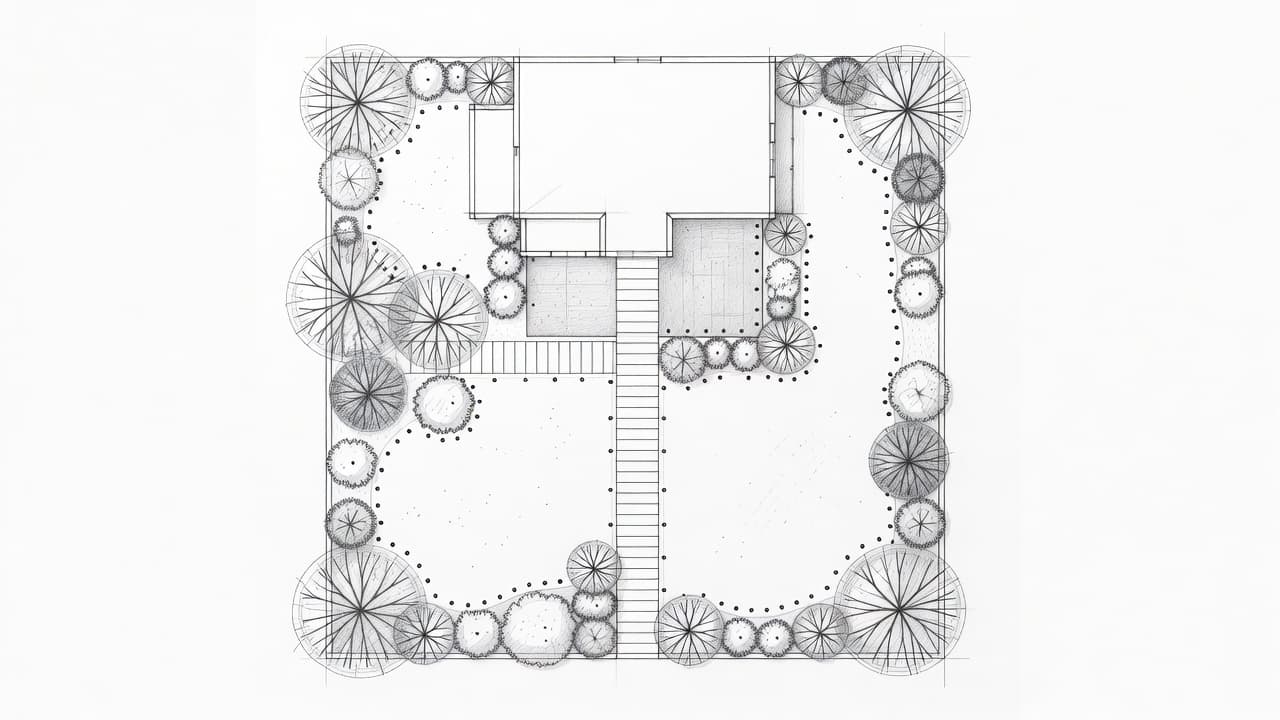
Walkway lighting should guide people, not shine in their eyes. Low, steady light works best because it helps people see steps, curves, edges, and grade changes without glare.
For most paths, fixtures around 12 to 24 inches tall work well. Spacing them about 6 to 10 feet apart usually creates a clear rhythm. In wetter areas, pay extra attention to stairs, slick concrete, and spots where leaves collect.
Use patio lighting to create a warm place to gather
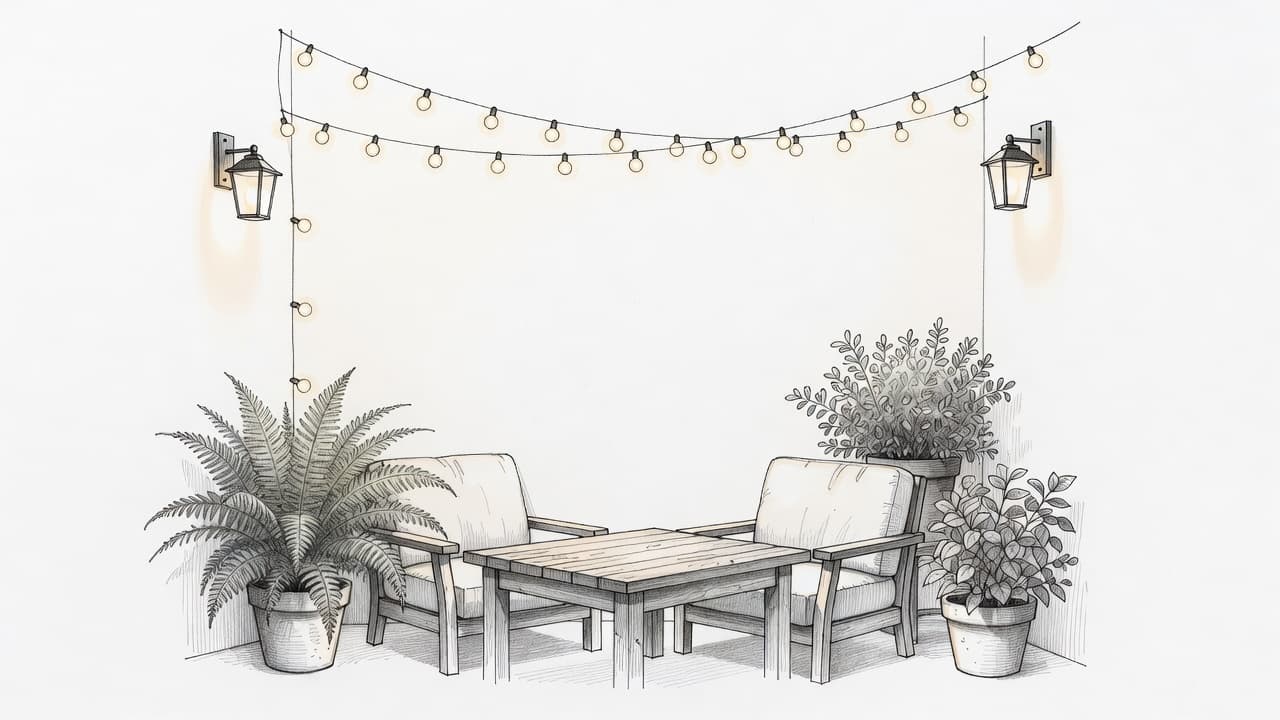
Patios need layers because one bright fixture rarely feels comfortable. You may want light for dining, softer light for seating, and a little extra visibility near a grill or doorway.
The goal is usability, not a flood of brightness. A patio should feel easy to enjoy at night, whether you're eating outside or talking with friends after sunset.
 ### Use garden lighting to highlight plants, texture, and focal points
Garden lighting works best when it's selective. Soft uplighting can bring out the shape of a Japanese maple, a sculptural shrub, or a stone wall, while gentle "moonlighting" from a higher branch can add depth without looking forced.
Restraint matters here. If every planting bed glows at the same level, the yard loses contrast and charm.
Match the fixture type to the space and the look you want
Fixture choice changes both performance and appearance. In Oregon, it also affects how well the system holds up through rain, cold, and damp soil. For exposed areas, look for powder-coated aluminum or stainless steel, plus UL wet-rated fixtures. In open weather, IP67 or higher is a smart target.
Path lights, bollards, and step lights for walkways and stairs
Path lights work well along bed edges and narrow walks because they cast a softer pool of light. Bollards throw light wider, so they fit broader paths, shared walkways, or drive approach areas.
Step lights belong on stair risers or landings. They help on dark, wet steps where even a small shadow can become a hazard.
String lights, deck lights, and wall lights for patios
String lights bring warmth to pergolas, fences, and covered sitting areas. Deck lights under rails, benches, or steps add a quiet glow that makes the patio feel settled instead of overly lit.
Wall lights do the heavier work near doors and seating zones. Used together, these fixtures make an outdoor living space feel comfortable and useful after dark.
Spotlights, well lights, and spike lights for gardens
Spotlights help feature trees, stone textures, or a standout shrub. Well lights sit flush in the ground, so they create a cleaner look around formal beds or hardscape.
Spike lights are easy to adjust, which makes them handy for changing plant growth or seasonal updates. Hidden fixtures often look better in landscaped spaces because the effect stands out more than the hardware.
Get the brightness, color, and placement right the first time
Good fixtures can still disappoint if the light is too harsh, too dim, or aimed badly. For most walkway lighting, 100 to 200 lumens per fixture is enough. Security floodlights often land closer to 700 to 1,300 lumens, but that output usually belongs away from seating and garden accents.
Choose warm light for a softer, more natural feel
For homes, patios, and gardens, warm white light usually feels best. Stay around 2700K to 3000K if you want a softer, more natural look.
Cooler light above 3500K often feels harsh in residential spaces. It can make plants, stone, and even faces look flat or stark.
Space fixtures so the yard feels balanced, not overlit
Even coverage matters more than perfect symmetry. Along a path, stagger fixtures instead of lining them up like runway lights, and put stronger emphasis near turns, steps, and entries.
That approach keeps the yard readable without making it look overlit. When everything is equally bright, nothing stands out.
Aim light down or across, not into eyes or windows
Glare is one of the most common outdoor lighting mistakes. If you can see the bulb from a chair, the light probably needs to move, tilt, or drop lower.
Use shields when possible, and aim light onto the surface people walk on or across the feature you want to highlight. Better aiming improves comfort and safety at the same time.
If the light source grabs your attention first, placement usually needs work.
Pick systems that fit your budget, energy goals, and maintenance needs
The cheapest fixture often costs more later. Between replacements, poor performance, and rework, a bargain setup can get expensive fast. A professional plan from Chozen Gardens can save time and help you avoid buying the wrong system for the space.
This quick comparison helps narrow the options:
| System | Best for | Watch for |
|---|---|---|
| Low-voltage LED | Most patios, paths, and gardens | Needs proper layout and transformer sizing |
| Solar | Simple spots with strong sun | Weaker winter performance in shade |
| Line-voltage wired | High-output or built-in architectural lighting | Higher install complexity |
Low-voltage LED lighting for efficiency and reliability
For most homes, low-voltage LED is the strongest all-around choice. It gives steady light, handles cold and wet weather well, and uses about 75 to 80 percent less energy than incandescent lighting.
 It also tends to last much longer, which means fewer replacements. For busy patios and primary walkways, that reliability matters.
Solar lights for simple spots with good sun exposure
Solar lights make sense in open areas that get solid sun, often six hours or more each day. They can work for a secondary garden path or a decorative bed where perfect consistency is less important.
Still, Oregon yards often have trees, fences, cloud cover, and long gray stretches in winter. In those conditions, solar lights may look fine in July and disappoint in December.
Weather-resistant fixtures and smart controls for longer life
Outdoor lighting in the Portland area needs sealed fixtures, durable finishes, and solid connectors. IP67-rated fixtures are a strong choice for exposed locations, while sheltered areas may get by with less. Brands like Hinkley, Kichler, Coastal Source, Philips Hue, and Ring all offer outdoor options with weather protection or smart features.
Timers, motion sensors, and astronomical timers also help. They adjust to seasonal sunset changes, cut waste, and make the system easier to live with year-round.
Final Thoughts
Good outdoor lighting is about more than style. It should make patios easier to enjoy, walkways safer to use, and gardens more beautiful at night.
The best results come from matching fixture type, brightness, placement, and durability to each area. If you want help planning or installing a system that fits your home and holds up in Oregon weather, contact Chozen Gardens . Their licensed, bonded, and insured team serves Hillsboro, Beaverton, Aloha, and nearby Washington County communities.