What Homeowners Should Know Before Removing Large Trees Near Their House
A big tree next to your home can add shade and value, but it can also become a real hazard. Large tree removal isn't a simple yard project, because one wrong cut can damage a roof, hit a power line, crack a sidewalk, or trigger a permit problem.
That risk gets higher when local rules change from one city to the next. In Hillsboro, Beaverton, Aloha, and nearby Washington County areas, the right answer depends on the tree, the property, and the jurisdiction. Before you cut, it's smart to get clear guidance and, if needed, call Chozen Gardens for a professional assessment.
Start with a real tree risk check before you decide to cut
A large tree may be messy, overgrown, or blocking sunlight, but that doesn't always mean it should come down. On the other hand, some dangerous trees don't look dramatic until failure is close. That's why a real risk check matters.
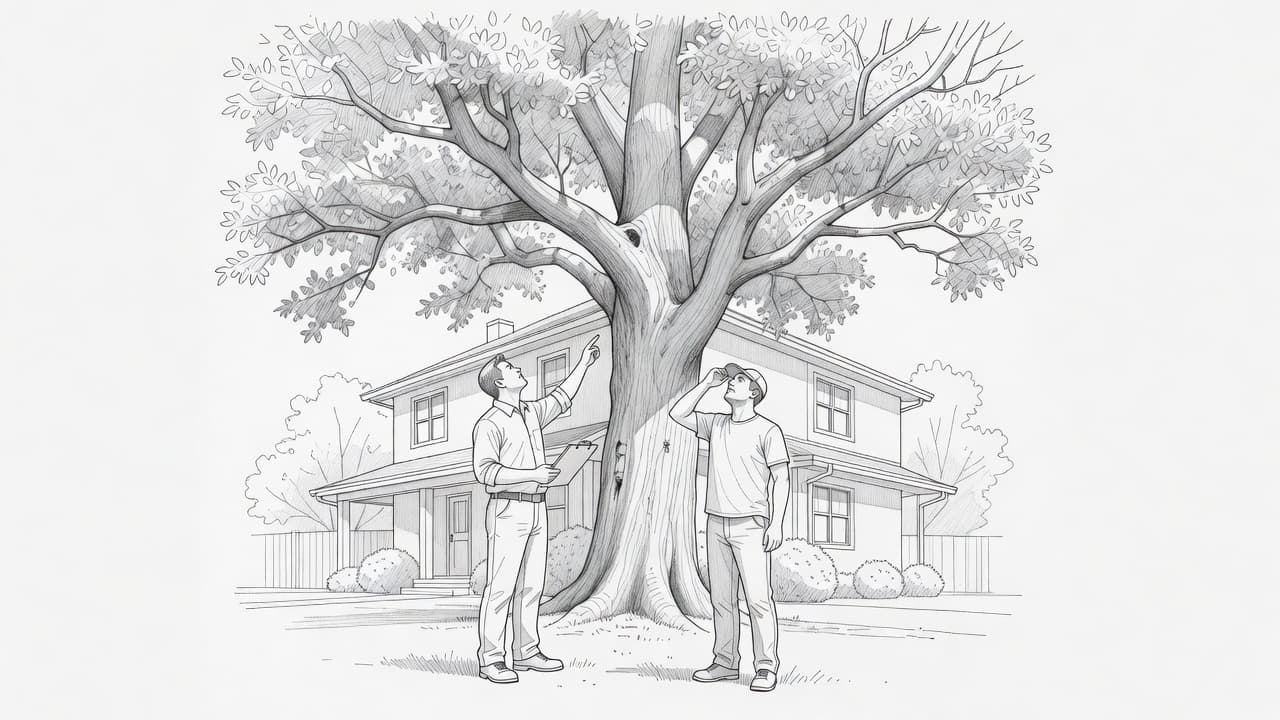 ### Signs the tree may be unsafe to keep
Start with what you can see from the ground. Red flags often include:
- Large dead branches hanging over the house, driveway, or play area.
- Fresh trunk cracks, split stems, or bark separating from the wood.
- Mushrooms or fungal growth at the base, especially with hollow spots.
- Soil lifting near the roots, exposed roots, or damage after excavation.
- A sudden lean, canopy dieback, or major storm damage.
One sign alone doesn't always mean removal. However, several of these signs together should push you to call for help quickly.
When pruning or cabling may be enough
Some trees need less work than homeowners expect. Selective pruning can remove deadwood, reduce weight on long limbs, and improve clearance over the roof. In some cases, cabling or bracing can support a weak union and lower the chance of failure.
That matters if the tree is mature, valuable, and still structurally sound. A careful pruning plan often costs less than removal, and it keeps the landscape intact. Chozen Gardens handles pruning, cabling, and tree care, so you can compare options before making a big decision.
Why an arborist visit is worth it
Large trees hide problems that don't show up in a quick driveway inspection. Decay can sit inside the trunk, roots can fail under the soil line, and storm stress can weaken a tree weeks after the weather clears.
An arborist or trained tree risk assessor can tell you whether the tree is unsafe, salvageable, or better monitored over time. That visit can save you from removing a tree that could have been preserved, or from keeping one that is already on borrowed time. When the tree sits close to your house, expert advice is cheaper than a repair bill.
Check permits, property lines, and local rules before any removal
Many tree problems start before any branch hits the ground. Permits, protected areas, right-of-way rules, and neighbor disputes can turn a simple job into a costly one. Because city limits shift fast around Washington County, your address matters more than most homeowners realize.
Why your city can change the rules
This quick comparison shows why you should verify the site before work starts.
| Location | What homeowners should check |
|---|---|
| Hillsboro | Private single-family trees generally don't need a permit, but street trees 12 inches DBH and up do, and the permit is free. Heritage trees are protected. |
| Beaverton | Street trees need permits, and some private lots fall under protected-zone rules. Protected tree permits can range from $75 to $1,000. |
| Aloha and unincorporated Washington County | Private tree removal usually doesn't need a permit unless the property is in a Significant Natural Resource area. A right-of-way permit may apply if traffic is affected. |
| Portland and nearby cities | Street tree and protected-tree rules are often stricter, so don't assume Washington County rules apply elsewhere. |
A homeowner in Tualatin, West Linn, or Vancouver, WA may face different forms, thresholds, or replanting rules. Because of that, it's smart to confirm the jurisdiction first, often with Portland Maps or the local planning office.
Street trees, right-of-way trees, and shared boundary trees
A private backyard tree is one thing. A tree between the curb and sidewalk is often a street tree, even if you water it and rake under it. Trees near a shared fence can also create problems if the trunk crosses a property line or the roots affect both lots.
If the trunk is between the curb and sidewalk, treat it like a street tree until the city tells you otherwise.
Also check for HOA rules, corner visibility limits, and right-of-way issues. In unincorporated Washington County, tree work that affects traffic may require a county permit even when the tree itself does not.
What paperwork or details may be needed
Cities and counties often ask for the tree location, trunk diameter, a simple site plan, and notes about nearby utilities. Some jurisdictions also want photos, proof of ownership, or a replanting plan.
This is where a local company helps. Chozen Gardens can look at the tree, help you sort out what applies, and keep the project moving without guesswork.
Protect your house, utilities, and yard from avoidable damage
Removing a large tree is a rigging and access job as much as a cutting job. Branches may hang over the roof, crews may need space for ropes or equipment, and stump work can affect roots, drains, and buried lines.
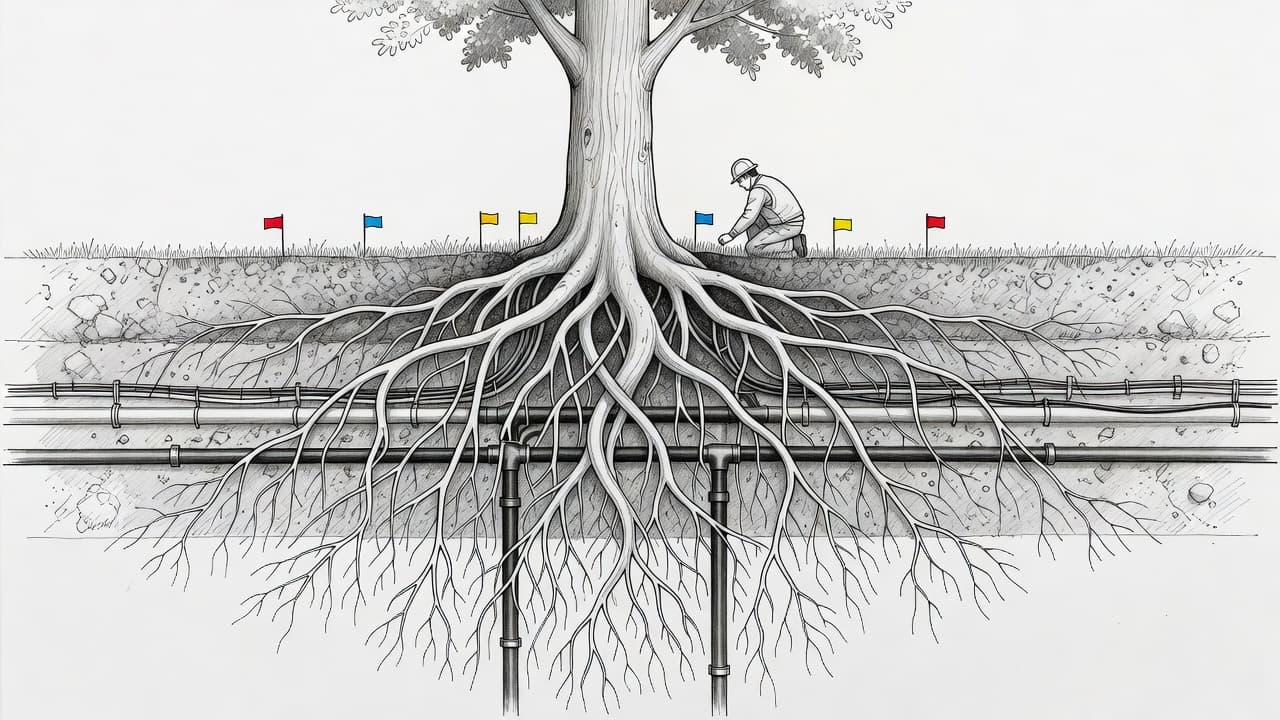 ### Call 811 before digging or grinding the stump
Stump grinding and root removal can get close to gas, water, electrical, irrigation, and communication lines. That's why you should always call 811 before digging or grinding.
Marked utilities protect your home and the crew. They also help avoid one of the worst post-removal surprises, a repair bill for a damaged line that was never located first.
Plan for branches, access, and falling zones
Before work starts, move cars, patio furniture, grills, and anything breakable. Crews also need to protect siding, windows, gutters, and outdoor HVAC units. When a tree overhangs the house, safe removal usually means taking it down in sections, not dropping it whole.
Access matters too. A narrow side yard, soft lawn, or tight fence opening can change the equipment plan. Chozen Gardens can walk the site first and explain how they'll protect the house and manage the drop zone.
Think beyond the tree, especially drainage and cleanup
Once the tree is gone, the yard may behave differently. Roots stop absorbing water, old root channels decay, and low spots can start holding runoff. You may also notice lifted concrete, drain issues, or soil settling near the stump area.
That is why cleanup should include more than hauling wood away. Since Chozen Gardens also handles drainage, landscaping, fencing, and concrete work, they can spot site issues that another crew might leave behind.
Make the safe call before the saw starts
A large tree near your home can be a real threat, but rushing removal can create a second set of problems. The smart path is to check the tree's condition, confirm local rules, and protect the house, utilities, and yard before work begins.
If you're in Hillsboro, Beaverton, Aloha, Washington County, or nearby Portland-area communities, contact Chozen Gardens before you make the final call. A local arborist assessment, safe removal plan, and clear quote can save you from damage, fines, and a job that goes sideways fast.